Best Crypto Wallets in 2026: Full Comparison
-min.webp)
Choosing the best crypto wallet in 2026 depends less on finding one universal winner and more on matching the wallet to how you actually use crypto.
Hardware wallets remain the stronger choice for long-term storage, while software wallets offer faster access to swaps, staking, dApps, and everyday transfers. Some wallets focus on a single ecosystem; others are built for managing a broader portfolio across multiple networks.
Best Cryptocurrency Wallets: Top Picks
The best cryptocurrency wallets stand out for different reasons, from hardware security and DeFi access to mobile usability and multi-asset management.
No single wallet leads every category. Users focused on everyday crypto access may prefer a software wallet such as Atomic, Trust Wallet, MetaMask, or Phantom, while larger long-term holdings are often better matched with hardware wallets such as Ledger or Trezor.
How We Chose the Best Crypto Wallets
We compared wallets based on security, custody model, recovery options, native blockchain support, usability, fees, and long-term track record.
A high asset count alone does not make a wallet better. Many wallets count individual tokens rather than the number of blockchains they support natively, so we focused more on practical network coverage and how users actually interact with their assets.
We also looked at:
- Key control: whether users or a third party hold the private keys
- Security model: software storage, Secure Elements, MPC, transaction simulation, and other protections
- Recovery: seed phrases, hardware backups, or alternative recovery systems
- Web3 access: dApps, DeFi, swaps, staking, and ecosystem integrations
- Platform support: mobile, desktop, browser extensions, and hardware devices
- Track record: security incidents, audits, product maturity, and transparency around risks
The result is not a single “winner,” but a set of wallets that stand out for different types of users.
Atomic Wallet — Best All-in-One Self-Custody Wallet
Atomic Wallet is a strong option for users who want to manage multiple cryptocurrencies from one self-custody app without relying on an exchange for everyday access.
Atomic is available on desktop and mobile and combines portfolio management with built-in swaps, crypto purchases, staking for supported assets, and access to multiple blockchain ecosystems. Private keys and the wallet backup are stored locally in encrypted form rather than being held by Atomic itself.
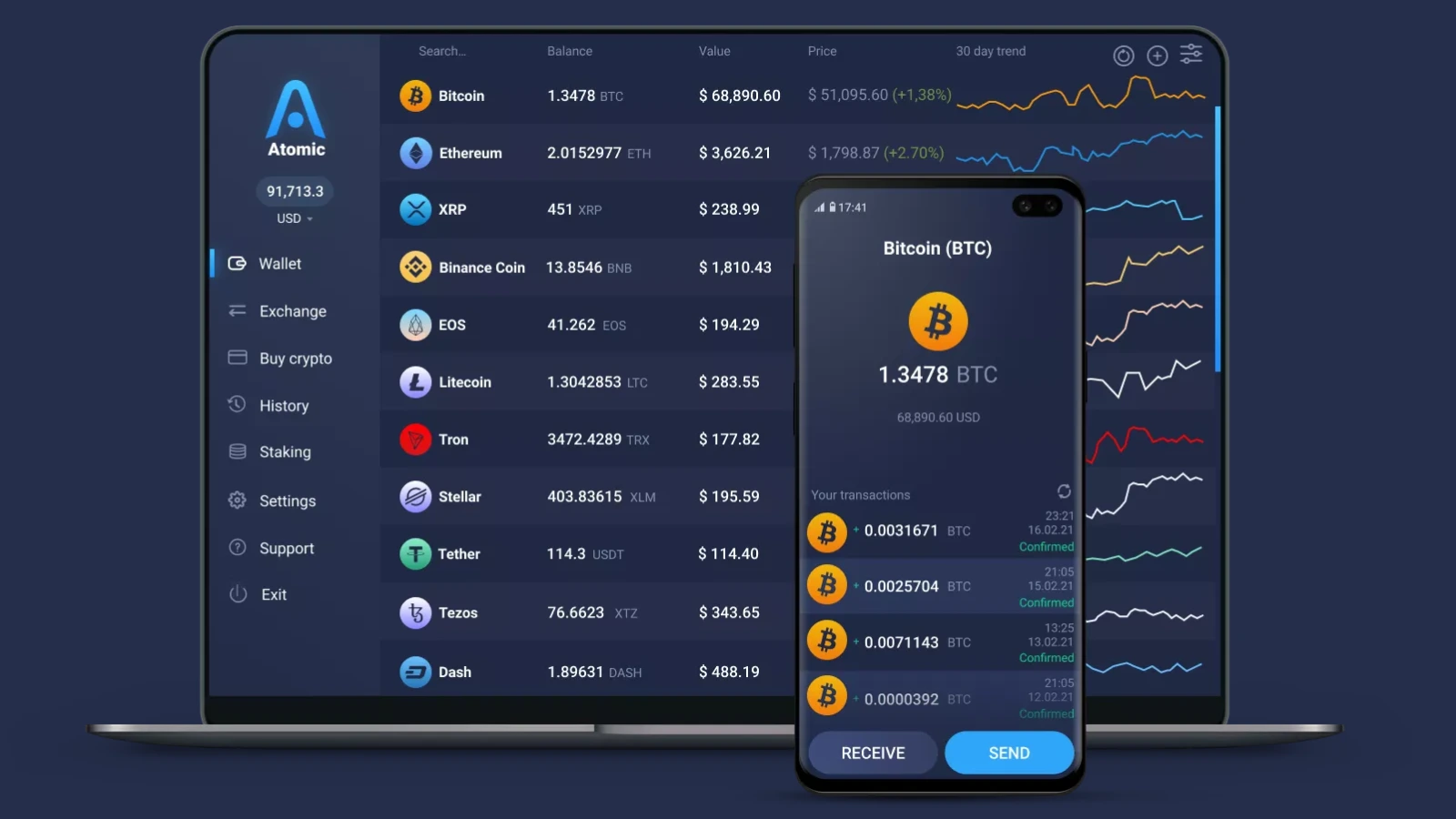
Best for: users managing a diversified crypto portfolio from one interface.
Why it stands out:
- support for 1,000+ coins and tokens
- desktop and mobile apps
- self-custody key control
- built-in swaps and purchasing
- staking for supported assets
- one interface for managing multiple networks
Main trade-off: Atomic is a hot wallet, so it does not provide the same offline key isolation as a hardware device.
Ledger Flex — Best Hardware Wallet
Ledger Flex combines offline private-key protection with a large secure touchscreen designed to make transaction verification easier.
The device uses a CC EAL6+ Secure Element and a 2.8-inch E Ink touchscreen driven by the secure chip. Users can connect through USB-C or Bluetooth, while NFC supports features such as Ledger Recovery Key and security-key functions.
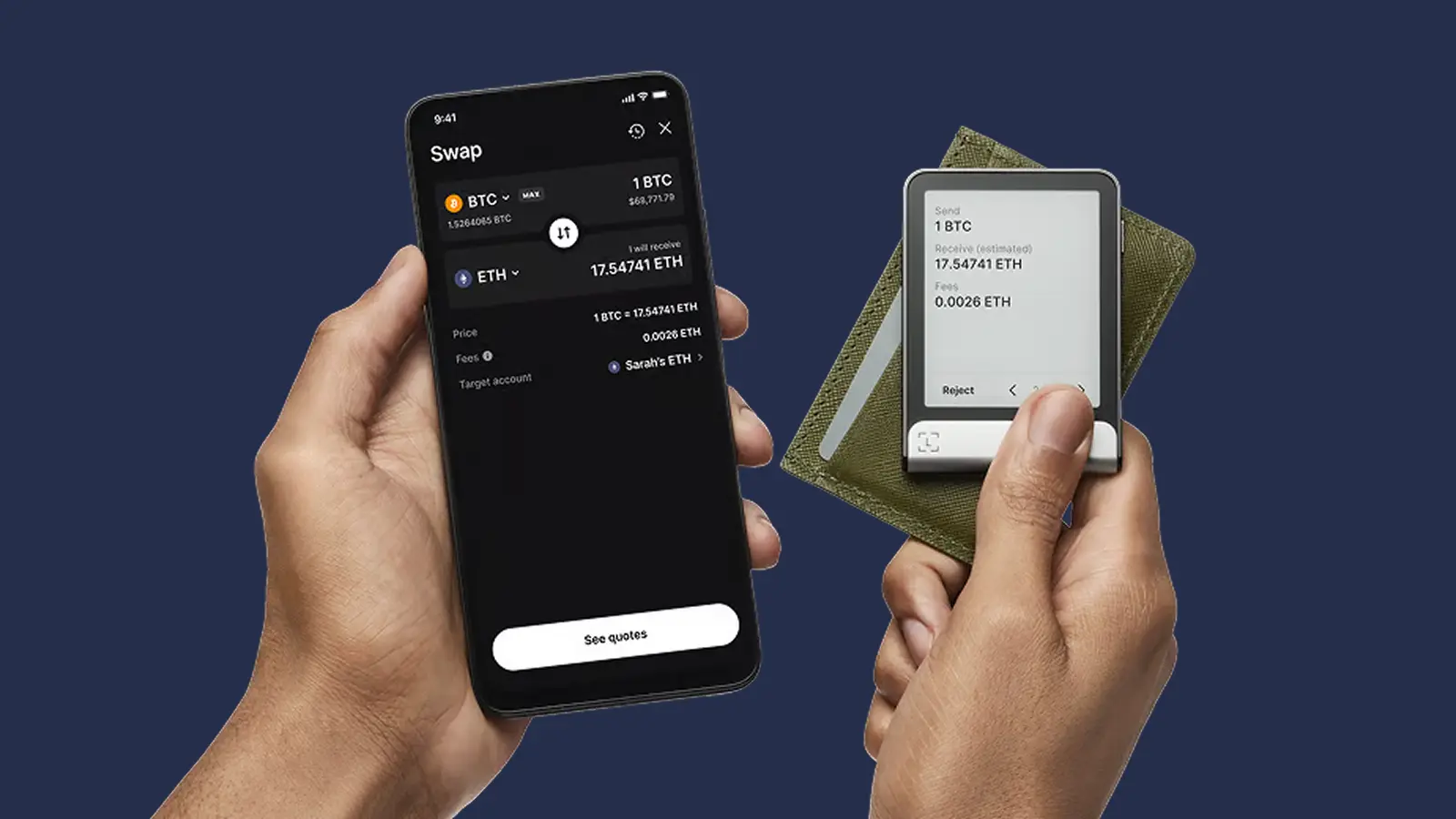
Best for: users who want hardware security without giving up a modern touchscreen experience.
Why it stands out:
- private keys remain protected by a Secure Element
- CC EAL6+ certified security chip
- secure E Ink touchscreen for reviewing transactions
- USB-C, Bluetooth, and NFC connectivity
- support for hundreds of assets directly and thousands through compatible third-party wallets
Main trade-off: hardware wallets add cost and extra steps compared with software wallets, making them less convenient for frequent transactions.
Trezor Safe 7 — Best Open-Source Hardware Wallet
Trezor Safe 7 stands out for an unusually transparent hardware-security design built around auditable components and offline key protection.
Its architecture combines three security layers: the TROPIC01 independently auditable Secure Element, an EAL6+ OPTIGA Trust M Secure Element, and a hardened STM32U5 microcontroller. Trezor also uses open-source software and emphasizes independent verification rather than relying entirely on closed security components.
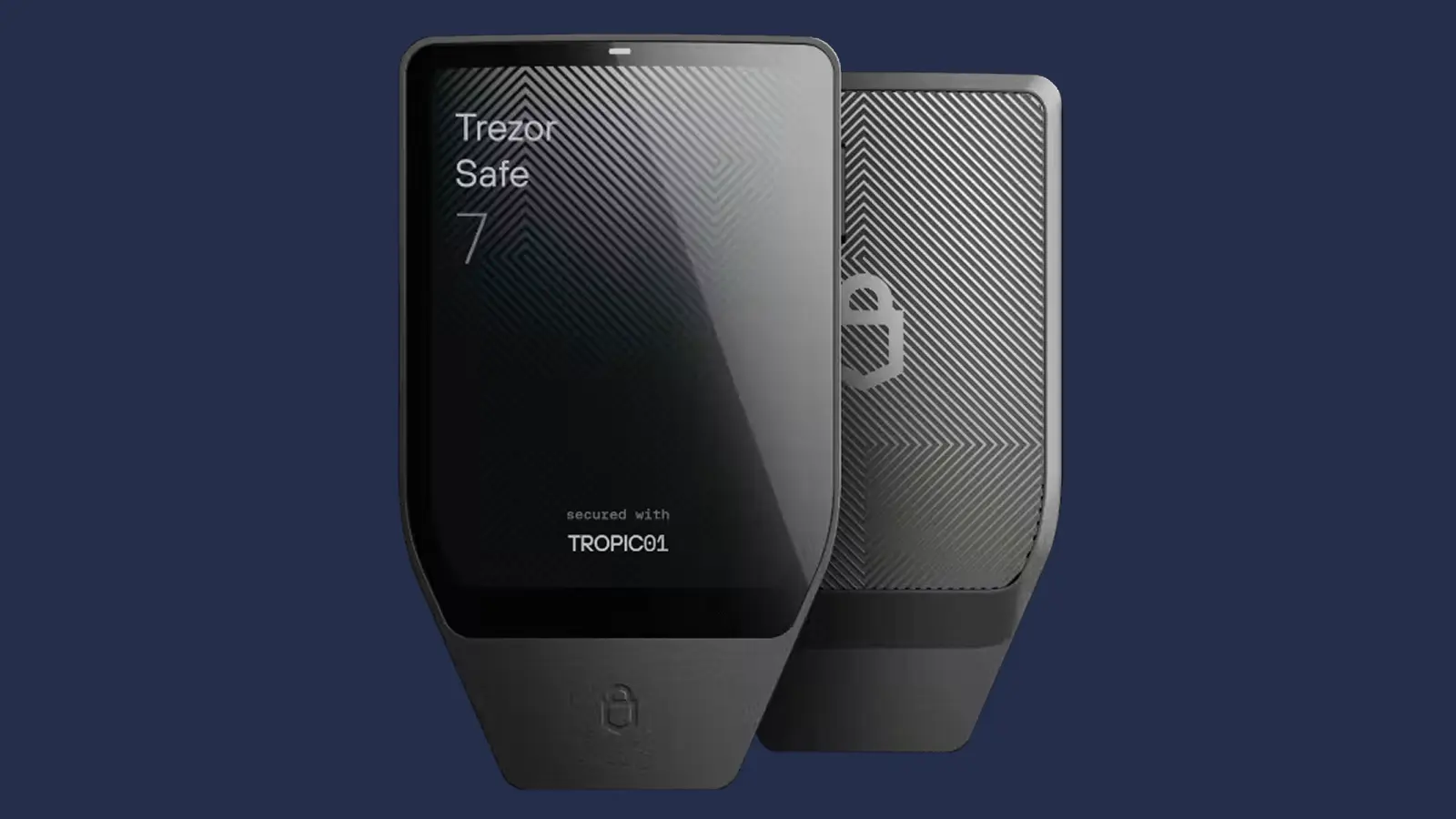
Best for: users who prioritize transparent security architecture and long-term self-custody.
Why it stands out:
- dual Secure Elements plus a dedicated security MCU
- independently auditable TROPIC01 chip
- hardware-enforced PIN protection
- open-source approach to wallet security
- encrypted Bluetooth and USB connectivity
- support for offline transaction signing
Main trade-off: the additional hardware setup and recovery responsibilities create more friction than a software wallet, particularly for beginners who move crypto frequently.
Trust Wallet — Best Mobile Multichain Wallet
Trust Wallet is one of the strongest choices for users who want broad blockchain coverage and Web3 access from a mobile-first self-custody wallet.
The wallet supports 100+ blockchains, including Bitcoin, Ethereum, Solana, BNB Smart Chain, and Base. Users can buy, swap, stake, connect to dApps, and manage assets without handing custody of their private keys to the platform. A browser extension is also available for desktop Web3 use.
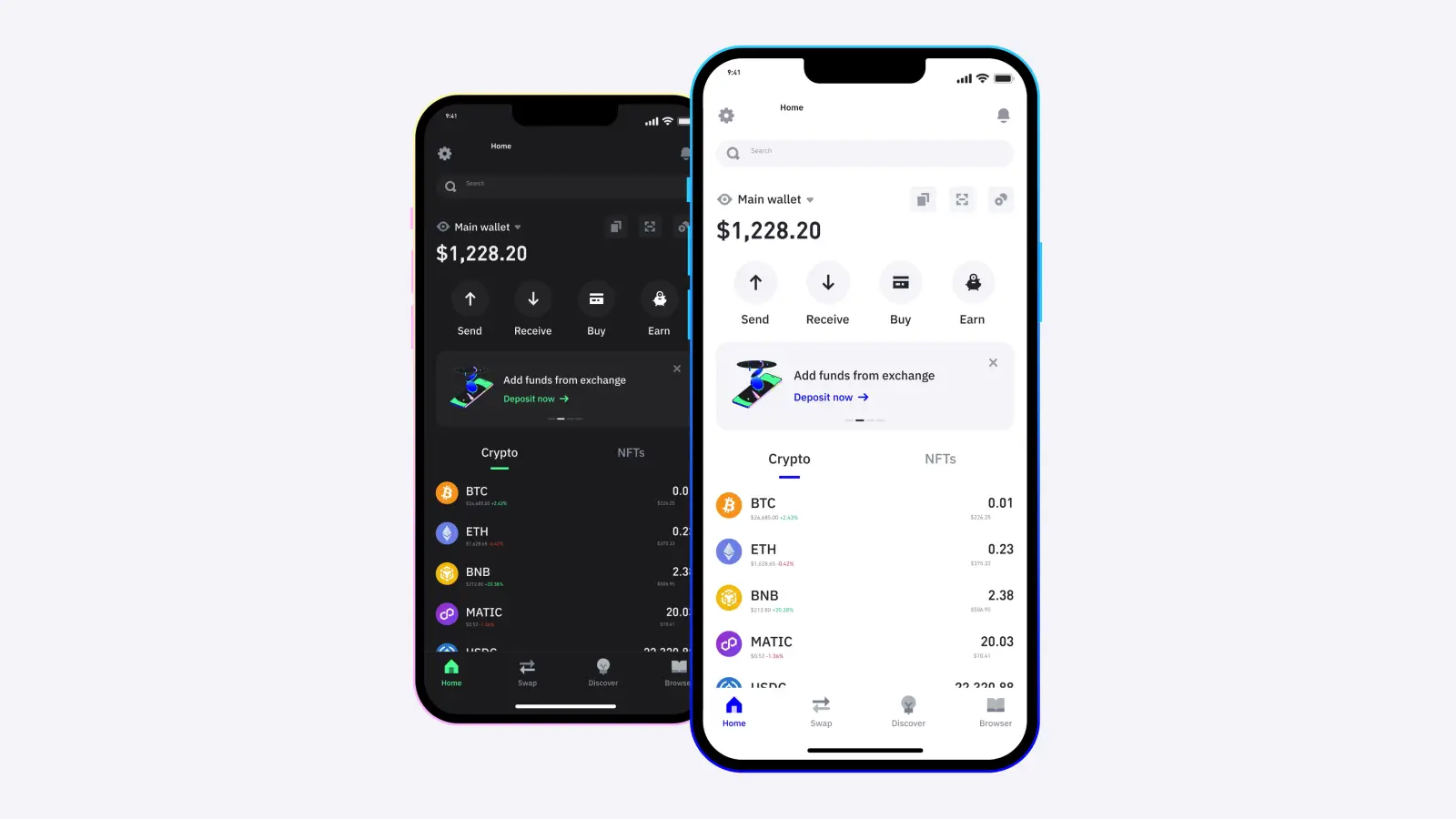
Best for: mobile users managing assets across many different blockchain ecosystems.
Why it stands out:
- support for 100+ blockchains
- self-custody with private keys kept on the user’s device
- built-in swaps, staking, and crypto purchases
- integrated dApp access
- Security Scanner with warnings for potentially risky transactions
- mobile apps plus a browser extension
Main trade-off: Trust Wallet remains a hot wallet, so private keys are used in an internet-connected environment rather than isolated on dedicated hardware.
MetaMask — Best for Ethereum and DeFi
MetaMask remains a major gateway to Ethereum and EVM-based DeFi, while its native network support has expanded well beyond Ethereum.
Its deep integration with dApps, DeFi protocols, NFT platforms, and EVM networks remains the core advantage. MetaMask now also supports native Bitcoin and Solana alongside networks such as Base, BNB Chain, Arbitrum, Polygon, Avalanche, and zkSync Era, making it considerably more multichain than earlier versions.
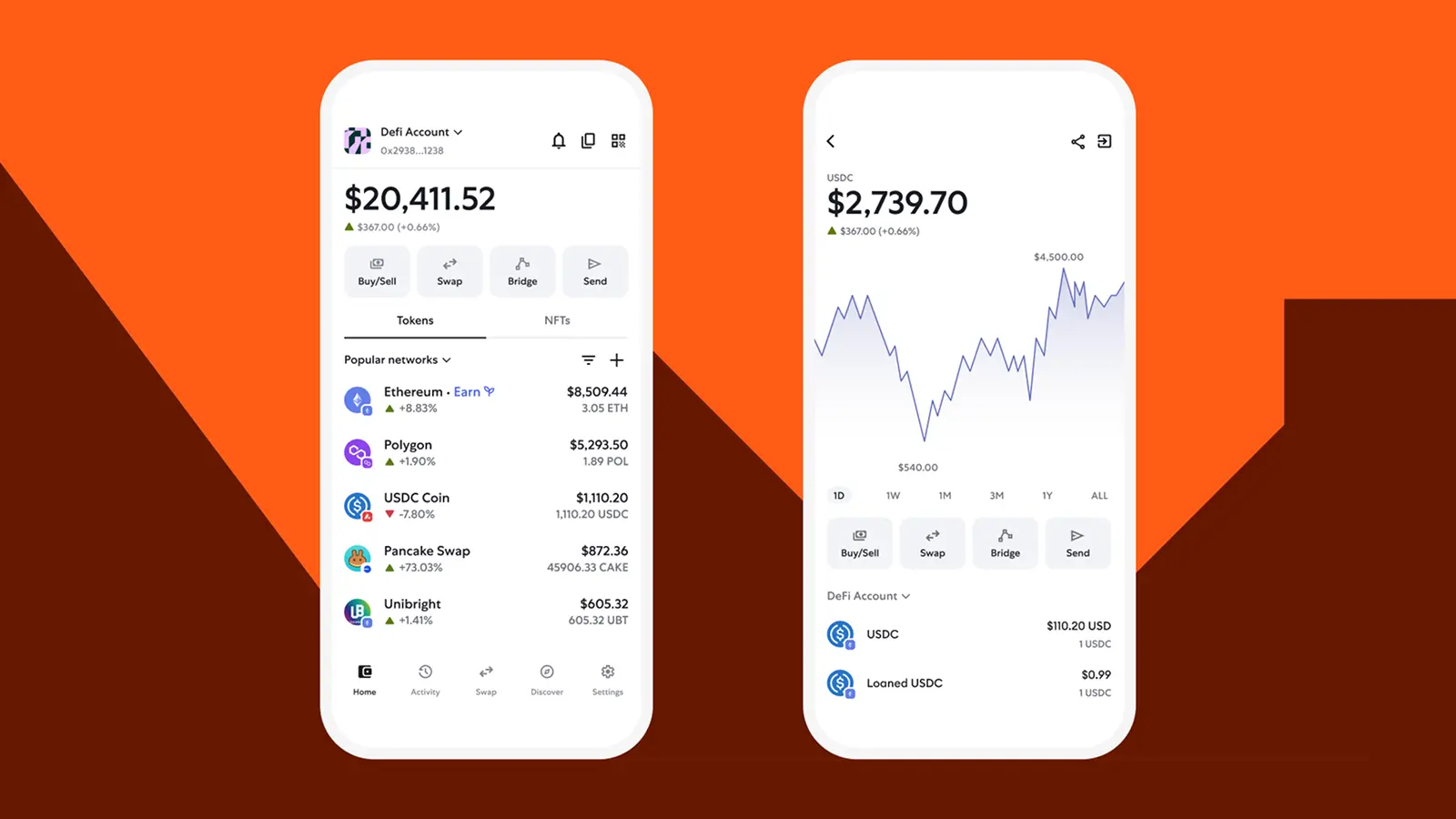
Best for: users who regularly interact with Ethereum, EVM networks, DeFi protocols, and Web3 applications.
Why it stands out:
- extensive Ethereum and EVM dApp compatibility
- native support for Bitcoin and Solana
- built-in swaps and crypto purchases
- browser extension and mobile app
- support for multiple hardware wallets
- custom network support for advanced users
Main trade-off: MetaMask offers substantial flexibility, but network management, token approvals, gas settings, and frequent dApp interactions can make the experience more demanding for beginners.
Phantom — Best for Solana and Active Web3 Users
Phantom remains one of the strongest wallets for Solana while expanding into a broader multichain wallet for active Web3 users.
Its biggest advantage is usability. Phantom combines token management, swaps, NFTs, dApp access, and trading tools in a polished mobile app and browser extension. Beyond Solana, it now supports networks including Ethereum, Bitcoin, Base, Polygon, HyperEVM, Robinhood Chain, and Arc.
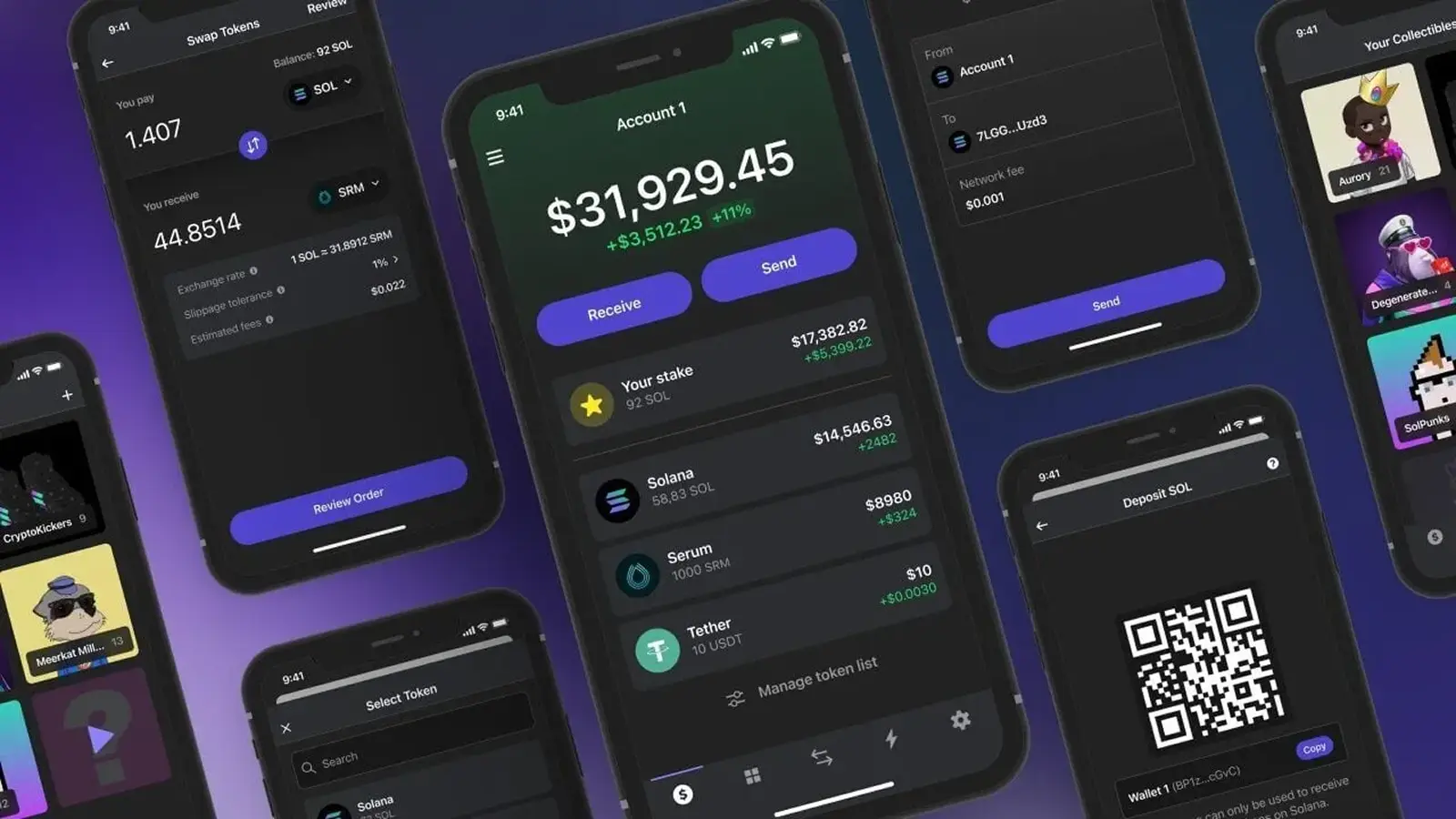
Best for: users active in Solana, NFTs, onchain trading, and consumer-facing Web3 apps.
Why it stands out:
- strong Solana ecosystem integration
- native support for multiple major networks
- built-in swaps and cross-chain activity
- NFT and collectible management
- mobile and browser-extension access
- Ledger hardware wallet support
- streamlined UX for frequent onchain activit
Main trade-off: Phantom has become increasingly multichain, but its strongest ecosystem depth and brand recognition still come from Solana.
Rabby — Best for EVM DeFi Users
Rabby is built around safer, more transparent interaction with Ethereum and EVM-based dApps, making it especially useful for active DeFi users.
One of its most useful features is transaction simulation: before signing, Rabby can show how a transaction is expected to affect the wallet. It also emphasizes risk warnings, approval visibility, and automatic network handling, reducing some of the friction that comes with regularly moving between EVM chains.
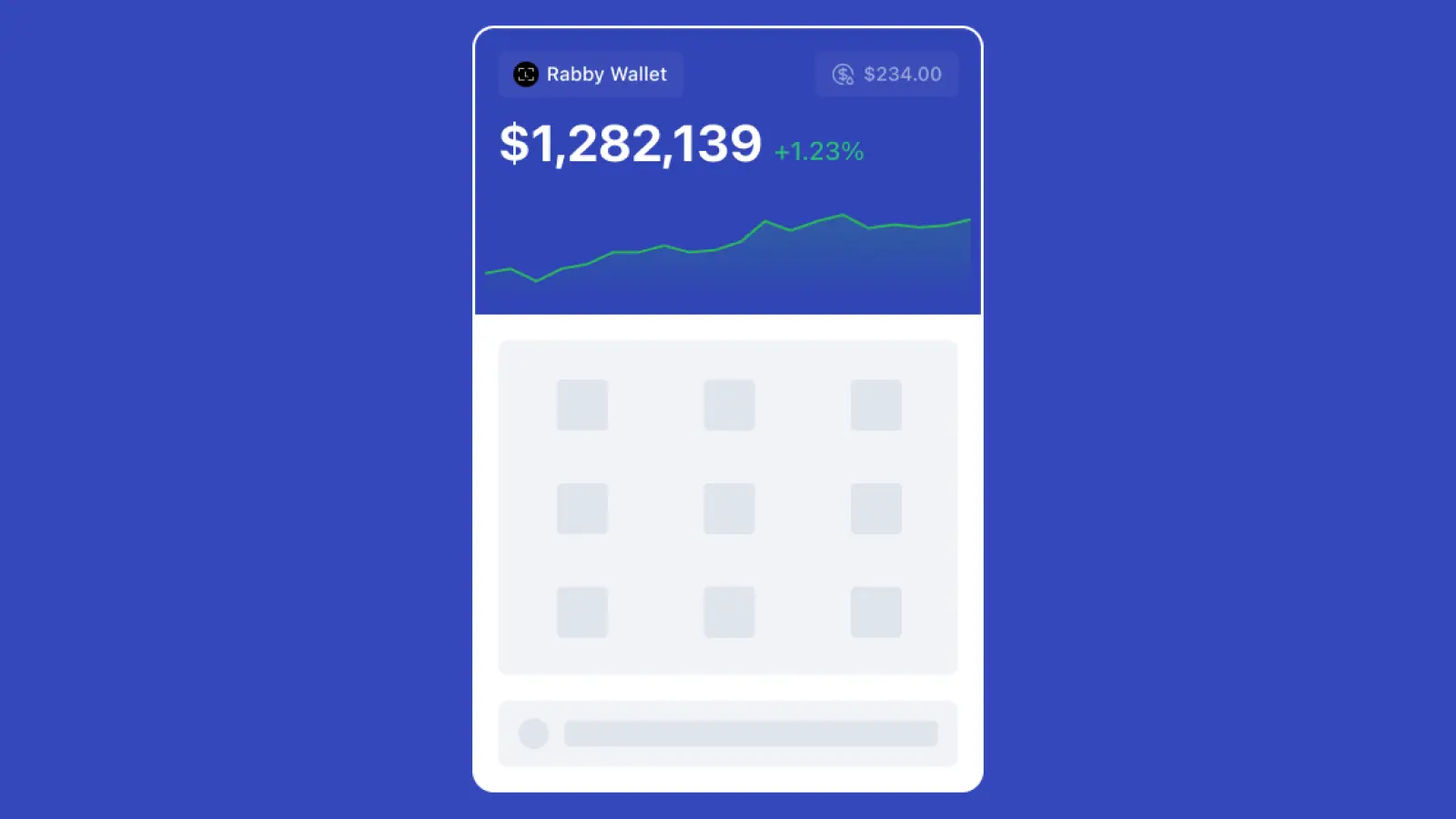
Best for: experienced users who interact frequently with DeFi protocols across multiple EVM networks.
Why it stands out:
- broad EVM-chain support
- pre-transaction simulation
- risk checks before signing
- clearer token approval information
- automatic network selection for supported dApps
- browser, mobile, and desktop availability
- open-source code and published third-party audits
Main trade-off: Rabby is heavily focused on the EVM ecosystem, so users looking for broad native support across non-EVM networks may need another wallet alongside it.
Exodus — Best Desktop Crypto Wallet
Exodus is a strong choice for users who want a polished desktop wallet with broad asset support and optional hardware-wallet protection.
Exodus has been available since 2015 and supports 50+ crypto networks across its desktop and mobile apps. Its portfolio-focused interface makes it relatively easy to manage, send, receive, and swap multiple assets without the more technical workflow common in DeFi-first wallets.
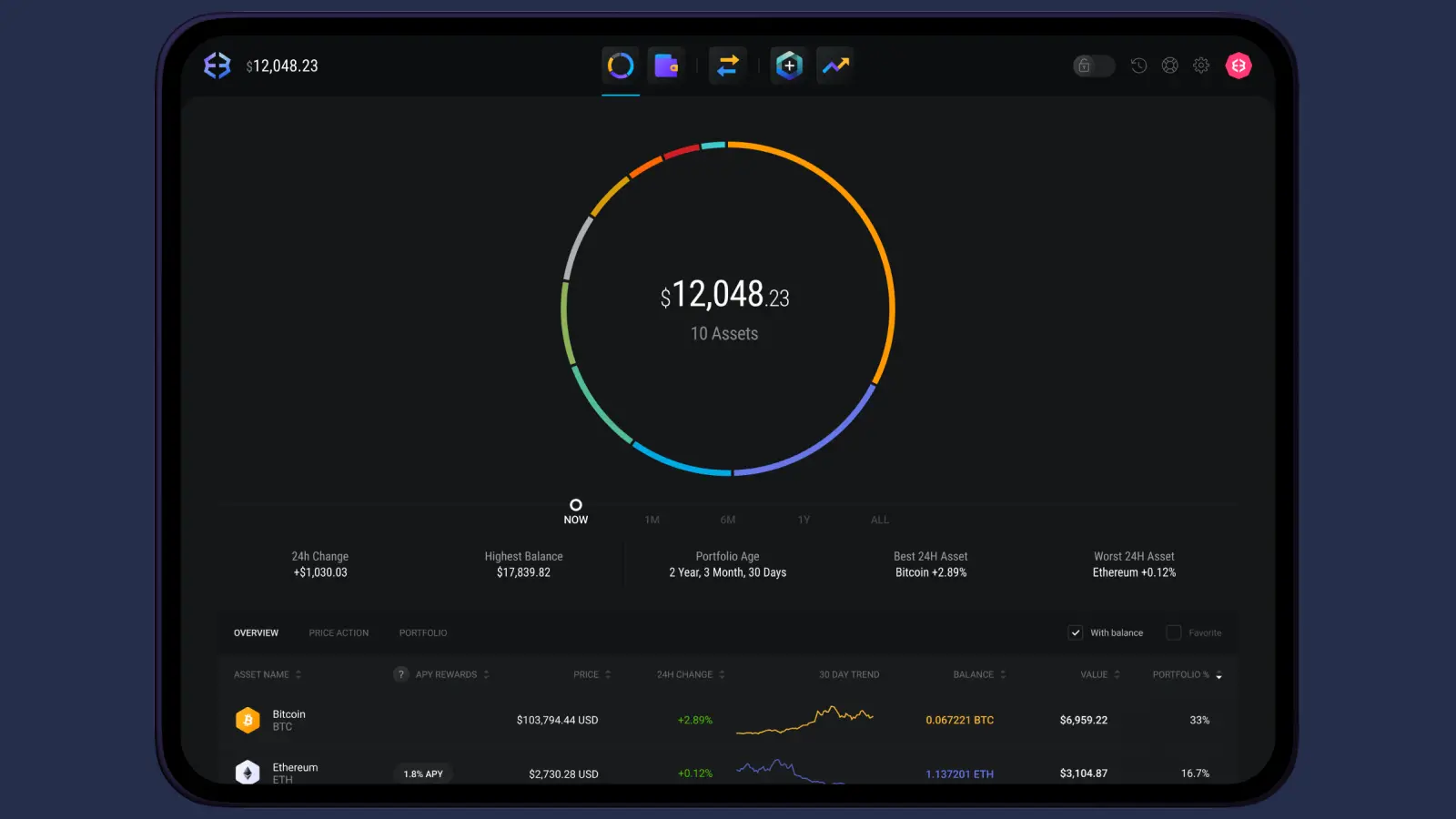
Best for: users who want a straightforward desktop experience for managing a diversified crypto portfolio.
Why it stands out:
- support for 50+ blockchain networks
- desktop and mobile apps
- self-custody key control
- built-in swaps and portfolio tracking
- custom token support across multiple networks
- Trezor integration on desktop
- Ledger integration on supported mobile devices
Main trade-off: Exodus offers broad everyday functionality, but users focused heavily on advanced DeFi and transaction analysis may find specialized wallets such as Rabby more capable.
Zengo — Best Seedless Crypto Wallet
Zengo replaces the traditional recovery phrase with an MPC-based security model, offering a different approach to self-custody and wallet recovery.
Instead of relying on one seed phrase, Zengo creates separate cryptographic shares used together to authorize transactions. One share is held on the user’s device and another is secured by Zengo’s infrastructure. Its recovery system combines multiple authentication factors rather than asking users to preserve a conventional 12- or 24-word phrase.
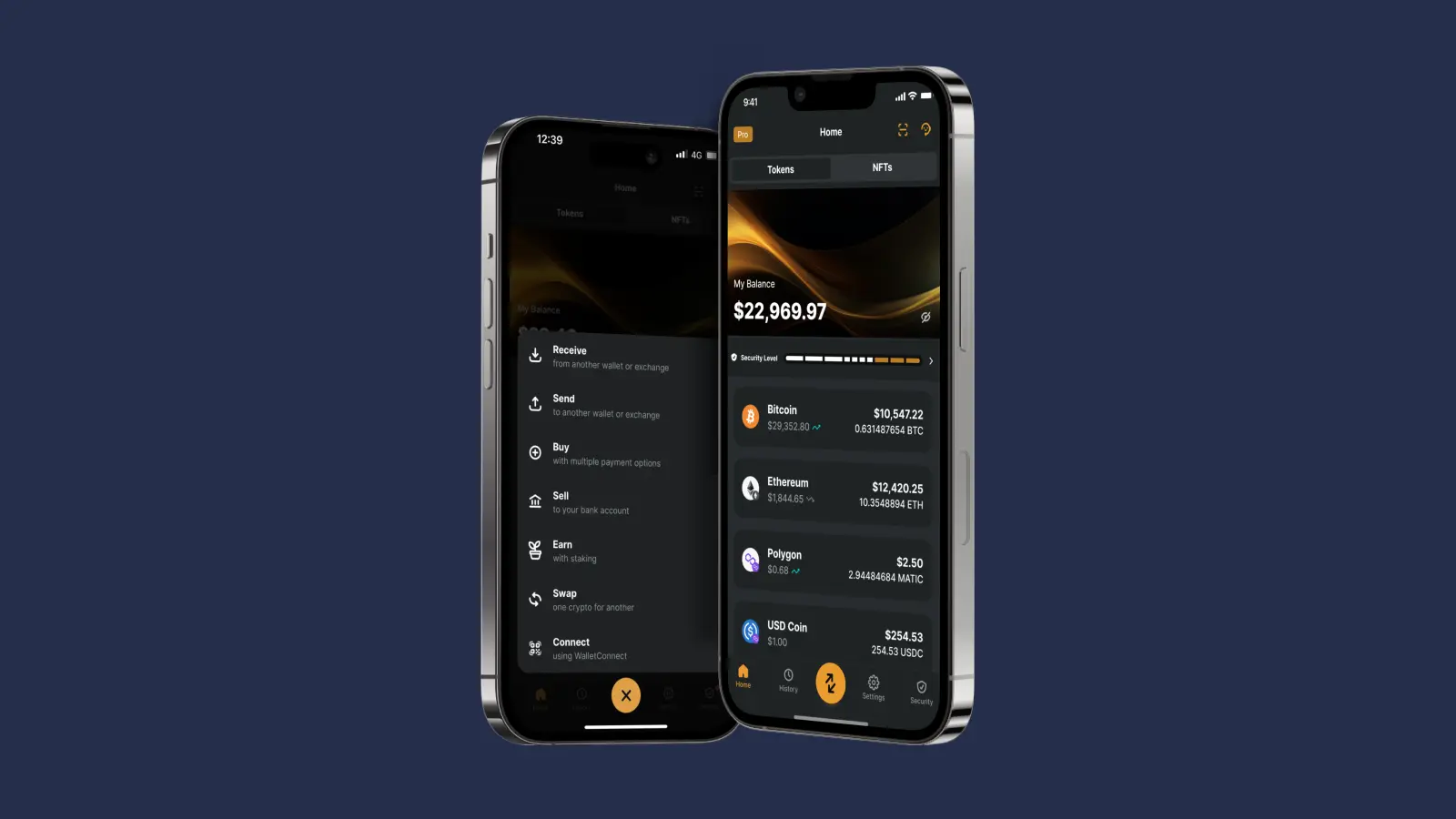
Best for: users who want self-custody without managing a traditional seed phrase.
Why it stands out:
- MPC-based wallet architecture
- no traditional seed phrase
- multi-factor recovery system
- support for Bitcoin, Ethereum, Solana, Base, BNB Smart Chain, TRON, and other networks
- 1,000+ supported assets
- built-in buying, selling, and swapping
- mobile apps for iOS and Android
Main trade-off: Zengo’s MPC and recovery architecture differs substantially from conventional seed-based wallets, so users who prefer fully traditional key and backup management may favor another self-custody model.
Hot Wallet vs. Cold Wallet
Hot wallets prioritize access and Web3 functionality, while cold wallets keep private keys offline to reduce exposure to remote attacks.
A hot wallet runs on an internet-connected device, making it convenient for transfers, swaps, staking, dApps, and active portfolio management. Atomic Wallet, Trust Wallet, MetaMask, Phantom, Rabby, Exodus, and Zengo all fall into this broader software-wallet category, although their security and recovery models differ.
Cold wallets use dedicated hardware to keep signing keys offline. Ledger Flex and Trezor Safe 7 are built around this model and are generally better suited to assets that do not need to move frequently.
The two approaches are not mutually exclusive. Many users keep an active balance in a software wallet while storing a larger long-term position on dedicated hardware.
How to Choose the Best Crypto Wallet
The best crypto wallet is the one whose security model, network support, and features match how you actually use crypto.
Before choosing, focus on a few practical questions:
- How much are you storing? Larger long-term holdings may justify dedicated hardware storage.
- How often will you use the wallet? Frequent swaps and dApp activity are generally easier from a software wallet.
- Which blockchains do you need? Check native network support rather than relying only on a headline token count.
- Do you use DeFi or NFTs? MetaMask, Rabby, Phantom, and Trust Wallet are built around more active Web3 use cases.
- How do you want recovery to work? Traditional seed phrases, hardware backups, and MPC-based systems all require different habits.
- Do you need desktop, mobile, or browser access? Platform availability can matter as much as asset support.
- Are you comfortable managing your own keys? Self-custody gives you control, but recovery and backup security become your responsibility.
For a broad multi-asset portfolio with regular access, Atomic Wallet fits the all-in-one software-wallet use case. For long-term storage, a hardware wallet may be the more appropriate layer.
What Is the Safest Crypto Wallet Setup?
For many users, the safest practical setup is not one wallet, but a combination of software and hardware storage.
A software wallet can handle everyday activity such as transfers, swaps, staking, and dApp access, while a hardware wallet keeps larger long-term holdings offline. This limits how much crypto is exposed during frequent online activity without sacrificing convenience.
A simple two-wallet setup can look like this:
- Software wallet: funds used regularly for Web3, swaps, payments, and staking
- Hardware wallet: larger balances and assets intended for long-term holding
The exact split depends on portfolio size and activity. What matters most is reducing unnecessary exposure while keeping recovery simple enough to manage safely.