How Crypto Works on Polymarket: A Guide to Prediction Markets
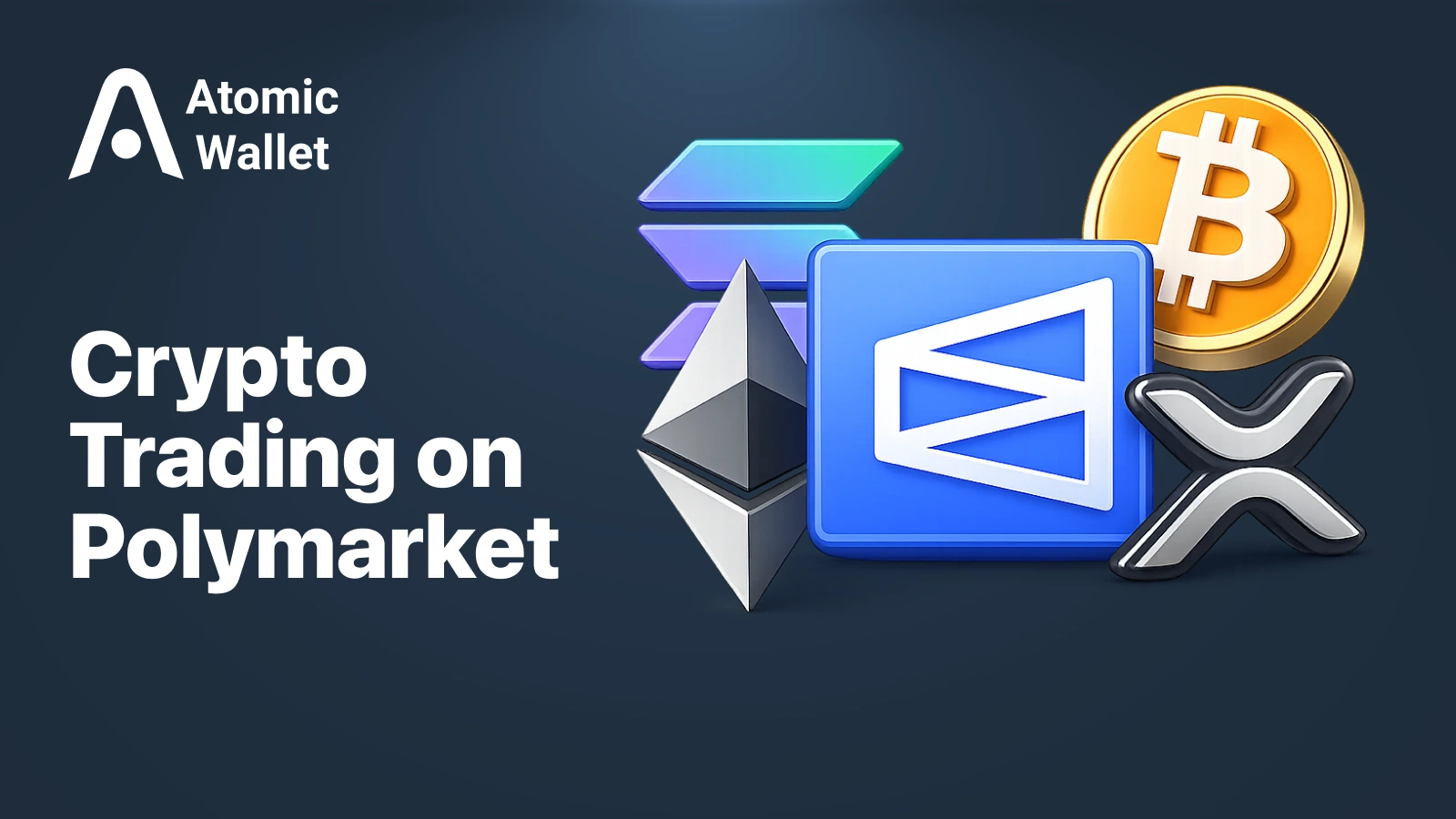
Most people come to Polymarket expecting something similar to a crypto betting app. The interface looks simple, the outcomes are clear, and the idea of taking a position on an event feels familiar.
But under the surface, Polymarket works very differently. It uses crypto not just as a payment method, but as the foundation for a market where outcomes are priced, traded, and constantly updated. Instead of placing fixed bets, users interact with probabilities that move in real time.
That shift changes the entire experience. What looks like betting is closer to trading, and understanding how crypto fits into that model is the key to using Polymarket correctly.
What Crypto Means on Polymarket
On Polymarket, crypto is not just a way to deposit funds. It is the infrastructure that makes the system work.
Users connect a wallet and use stablecoins, typically USDC, to enter markets. Each position they take is represented on-chain, and every transaction reflects a change in how the market values a particular outcome.
This means crypto serves multiple roles at once. It acts as the settlement layer, the medium for trading, and the mechanism that keeps the market transparent. There is no central account holding balances in the traditional sense. Instead, ownership and activity are tied directly to the wallet.
Because of this structure, Polymarket behaves more like a crypto-native market than a betting platform. The focus is not on placing a single wager, but on participating in a system where prices move as users continuously reassess probability.
How Polymarket Works
At its core, Polymarket turns questions into markets.
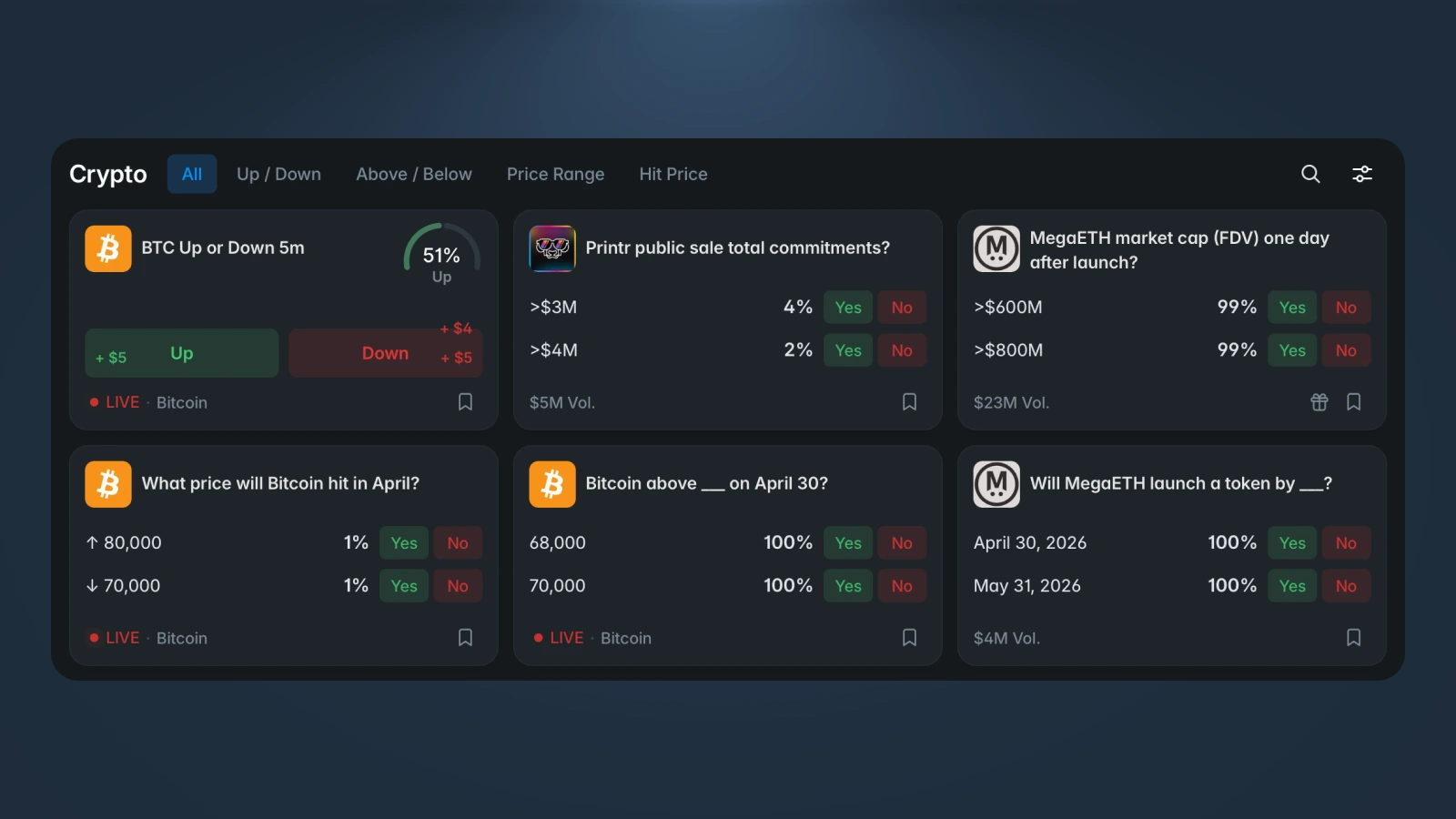
Each market is built around a clear outcome, such as whether an event will happen or not. Users take positions by buying either “yes” or “no,” and the price of each side reflects how likely the market believes that outcome is.
If a “yes” share trades at 0.60, the market is effectively assigning a 60% probability to that event. As users buy and sell, the price moves, updating that probability in real time.
The important part is that positions are not fixed. You can enter a market early, exit before the event resolves, or adjust your exposure as new information comes in. Profit is not only about being right at the end, but about how the market reprices the outcome over time.
This is what makes Polymarket behave more like a trading environment than a betting platform. Prices are continuously discovered through interaction, not set in advance.
Crypto Prediction Markets vs Crypto Betting Apps
The difference between crypto betting apps and prediction markets goes beyond mechanics. Betting platforms lock users into fixed outcomes, while prediction markets turn events into tradable positions that evolve over time.
What You Can Trade on Polymarket
Polymarket is not limited to a single type of market. It acts as a layer where different kinds of events are turned into tradable outcomes.
Users can take positions across a wide range of categories. Some markets are directly tied to crypto, such as Bitcoin or Ethereum price levels and major industry events. Others focus on politics, macro trends, sports, or cultural moments that attract attention.
What connects all of them is the same structure. Each event becomes a question, each outcome is priced, and users trade based on how they expect that outcome to evolve.
This variety is part of what makes Polymarket different. Instead of focusing on one asset class, it allows users to engage with any scenario that can be defined and resolved, turning it into a market.
How Crypto Markets Work on Polymarket
Crypto-related markets are one of the most active areas on Polymarket, and they illustrate how the platform is used in practice.
These markets can be based on price levels, such as whether an asset will reach a certain value within a timeframe, or on events like regulatory decisions, ETF approvals, or network developments.
The mechanics remain the same. Users trade positions based on probability, and prices adjust as sentiment changes. When new information enters the market, whether it is macro data or crypto-specific news, expectations shift and the market reprices.
What makes crypto markets particularly suited to this model is their speed. Narratives can change quickly, and prediction markets allow users to react to those changes without being locked into a single position.
In this sense, Polymarket becomes a way to engage with crypto not just through price, but through the expectations that drive that price.
Why Polymarket Can Feel Like Perps for Events
For users familiar with crypto trading, Polymarket often feels closer to a derivatives market than a betting platform.
A position has a price, that price moves, and the outcome of the trade depends on how the market evolves after entry. If probability shifts in your favor, the position increases in value. If sentiment moves against you, it declines.
This creates a dynamic similar to perpetual futures. You are not simply waiting for an outcome, you are managing exposure over time. Entry and exit matter, and timing can define the result even if the final outcome is correct.
The difference is in what is being traded. Perpetual contracts track the price of an asset. Polymarket tracks the probability of an event. Instead of trading ETH or BTC directly, users are trading what the market believes will happen next.
This makes Polymarket a kind of event-driven trading layer, where the underlying asset is not price, but expectation.
Why Wallets Matter on Polymarket
Because Polymarket is non-custodial, the wallet is central to the entire experience.
It is not just used to access funds. It defines how positions are held, how transactions are executed, and how activity is recorded. Every interaction with the market is tied to a public address.
Over time, that address can reflect trading patterns, positions, and behavior. For active users, this becomes part of the system itself. Participation is not anonymous in the traditional sense, even if it is not tied to personal identity.
Using a solution like Atomic Wallet allows users to structure that interaction more carefully. By separating how assets are stored from how markets are accessed, it becomes easier to manage exposure and reduce how directly activity is linked.
This does not change the transparency of the network, but it changes how information is grouped and observed over time.
Risks of Using Polymarket
Polymarket introduces a different risk profile compared to traditional trading or betting platforms.
One of the main factors is volatility. Because markets are driven by sentiment and probability, prices can shift quickly as new information appears. This is especially true for high-attention events, where even small updates can move the market.
Liquidity also varies. Larger markets tend to have consistent activity, but smaller or niche markets may have wider spreads and less efficient pricing. This can affect both entry and exit.
Another important factor is resolution. Every market is defined by specific rules, and understanding those rules is critical. Outcomes are determined based on predefined criteria, which may not always match intuitive expectations.
Finally, because everything is wallet-based, activity is visible on-chain. Over time, this can expose patterns in how positions are taken and managed.
Conclusion: Polymarket as a Crypto-Native Market
Polymarket looks simple on the surface, but the underlying model is closer to a market than a betting platform.
Instead of placing fixed wagers, users interact with prices that reflect probability. Positions can be opened, adjusted, and closed as the market evolves, and value is created through how expectations change over time.
Crypto is what makes this structure possible. It enables non-custodial access, real-time settlement, and a transparent system where market activity is visible and continuously updated.
At the same time, using Polymarket is not just about choosing outcomes. Because everything runs through a wallet, the way activity is structured becomes part of the experience.
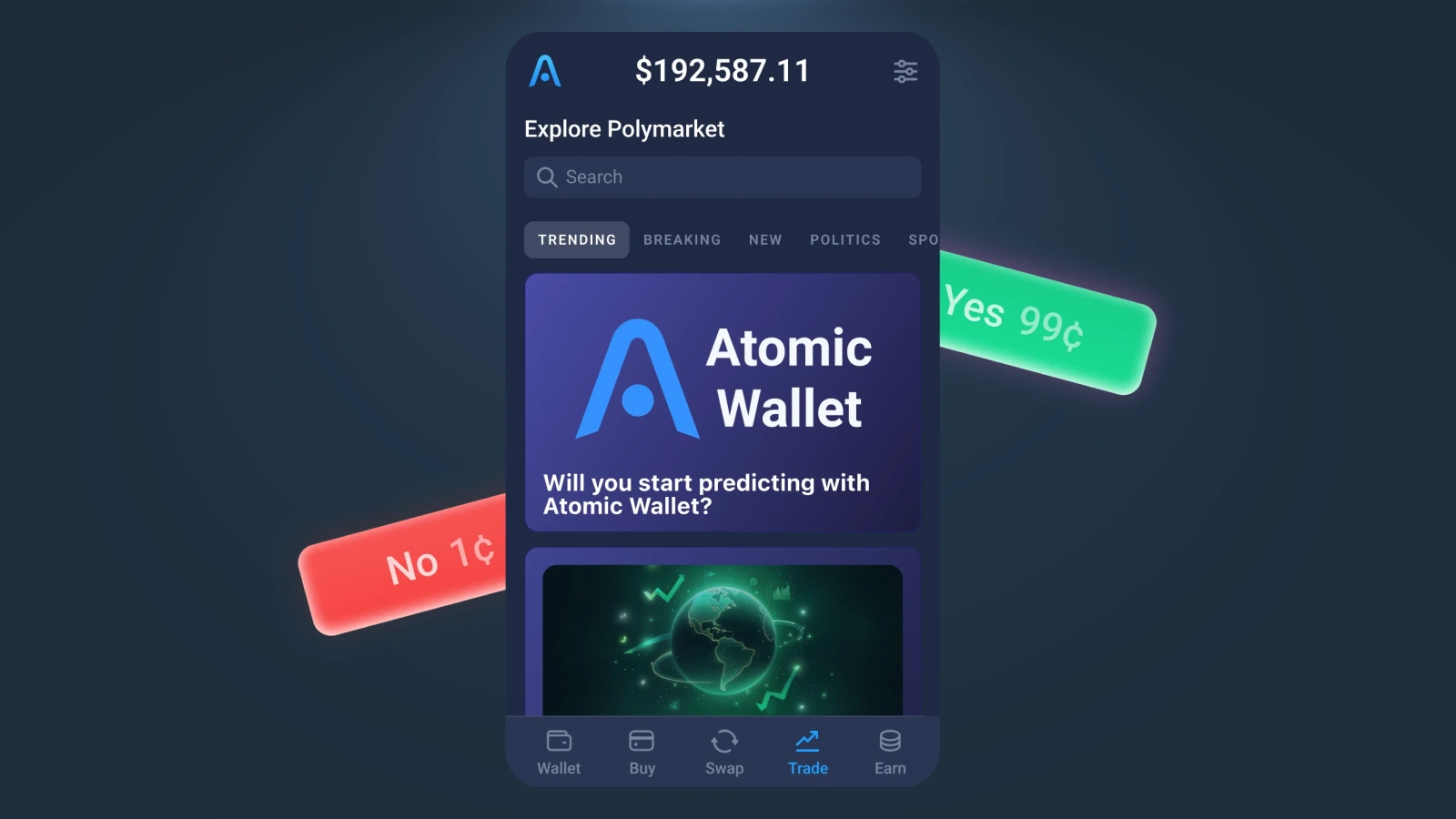
Using tools like Atomic Wallet allows users to manage that interaction with more control, separating long-term holdings from active market participation.