What Is a Hardware Wallet?
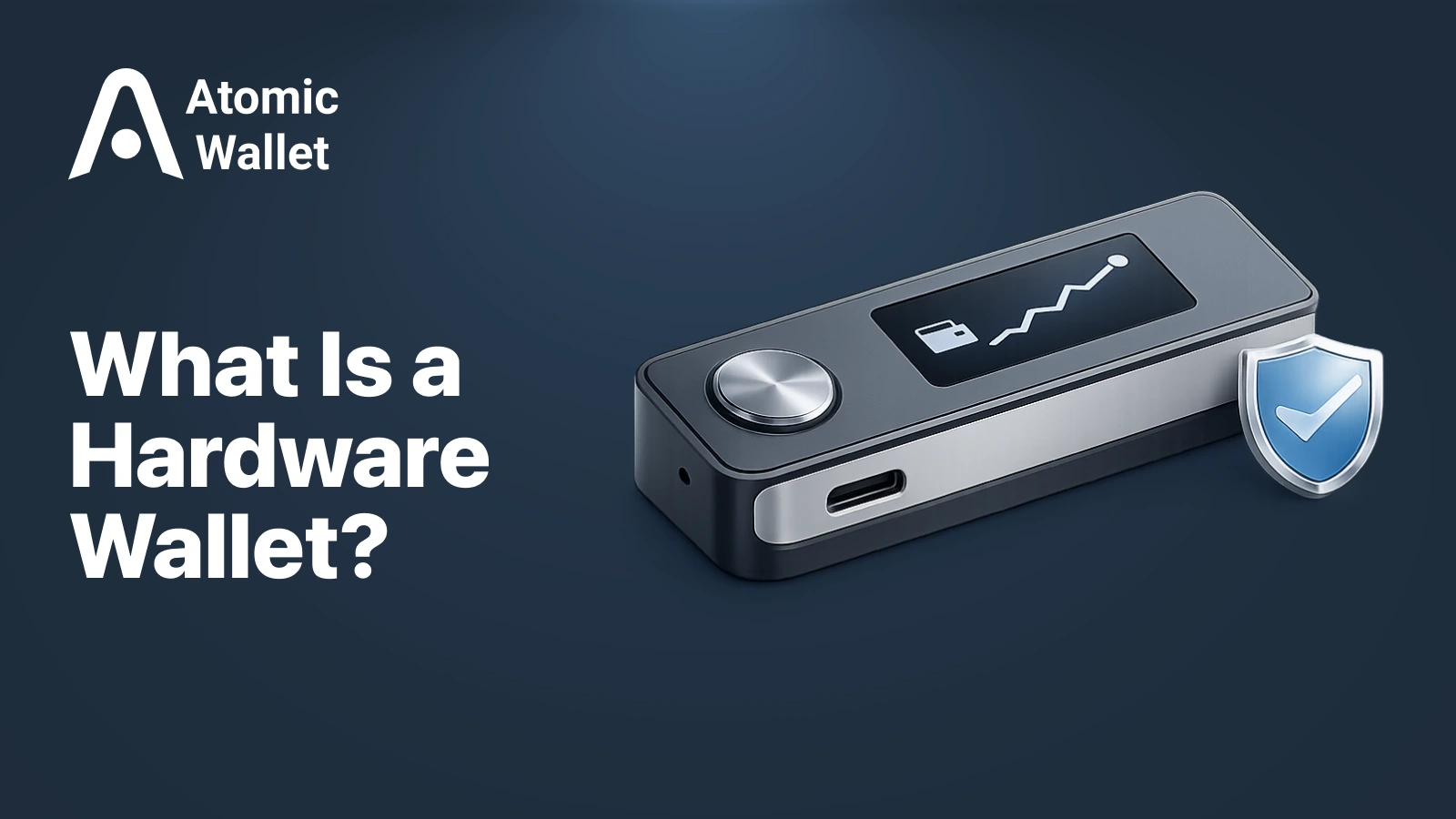
A hardware wallet is a physical device designed to store your private keys in a secure, isolated environment and allow you to manage crypto assets safely. Instead of exposing sensitive data to internet-connected devices, it keeps your keys offline and uses the device itself to authorize transactions. This makes hardware wallets one of the most reliable tools for protecting digital assets and maintaining full self-custody.
• physical device for storing private keys
• keeps keys isolated from internet-connected systems
• used to securely sign transactions
• provides full control over crypto assets
• built for high-level security and long-term storage
How a Hardware Wallet Works
A hardware wallet works by separating transaction creation from transaction signing. You initiate a transaction on a computer or smartphone, but the signing process happens inside the hardware device, where the private key is stored. The device signs the transaction offline and returns a signed version to be broadcast to the network. At no point does the private key leave the device, which significantly reduces exposure to online threats.
What Does a Hardware Wallet Store?
A hardware wallet does not store cryptocurrency itself. Crypto assets always exist on the blockchain, not inside any wallet. What the device stores are private keys — the cryptographic credentials that give you access to your funds. By keeping these keys isolated and offline, the hardware wallet ensures that only you can authorize transactions and control the associated assets.
Why Use a Hardware Wallet
The primary reason to use a hardware wallet is security. By isolating private keys from internet-connected environments, it significantly reduces the risk of hacking, malware, and unauthorized access. It also enables true self-custody, meaning you retain full control over your funds without relying on exchanges or third-party services.
Hardware Wallet vs Software Wallet
The main difference between hardware and software wallets lies in how private keys are stored and protected. Software wallets prioritize convenience and accessibility, while hardware wallets focus on isolating keys from internet exposure to reduce security risks.
Hardware Wallet vs Cold Wallet
A hardware wallet and a cold wallet are closely related but not identical. A hardware wallet is a physical device used to store and manage private keys, while a cold wallet refers to any setup where keys are kept offline. In practice, hardware wallets are often used as cold wallets, but cold storage can also exist without a dedicated device, depending on how keys are handled.
Key Security Features of Hardware Wallets
Hardware wallets are designed with multiple layers of protection to keep private keys secure and isolated from threats. Their security model combines hardware, software, and user verification.
• secure chip architecture for key storage
• offline transaction signing
• PIN or passcode protection
• recovery phrase backup system
• physical confirmation on the device
How Hardware Wallet Transactions Work
When you send crypto using a hardware wallet, the process is split into two environments. First, the transaction is created on an internet-connected device such as a phone or computer. Then it is sent to the hardware wallet, where the details are displayed and must be confirmed physically. The device signs the transaction using the private key stored inside it, and the signed transaction is returned to the connected device for broadcasting to the blockchain.
Benefits of Using a Hardware Wallet
• strong protection against malware and online attacks
• private keys remain isolated from internet exposure
• secure transaction signing process
• full self-custody without reliance on exchanges
• support for multiple cryptocurrencies and networks
Risks and Limitations
Hardware wallets improve security, but they do not eliminate all risks. Safe usage still depends on how you manage access and recovery data.
• loss of seed phrase leads to permanent loss of funds
• physical loss or damage of the device
• user errors when approving transactions
• phishing or malicious transaction signing
• incorrect setup or insecure backup practices
Types of Hardware Wallets
Hardware wallets come in different formats depending on design and usability. Traditional USB-style devices are the most common, connecting to a computer or mobile app for transaction management. Newer models include touchscreen devices that improve usability and verification, as well as card-based wallets that focus on simplicity and portability. For example, solutions like Trezor Wallet represent classic device-based security, while newer formats aim to simplify the user experience without compromising key isolation.
Best Hardware Wallet Options
The best hardware wallet depends on your priorities, such as security, ease of use, and supported assets. Some devices focus on advanced security features and isolation, while others emphasize simplicity and accessibility for everyday users. In practice, the best choice is one that balances strong protection of private keys with a workflow you can use consistently and safely.
Who Should Use a Hardware Wallet
Hardware wallets are best suited for users who prioritize security and self-custody over convenience. They are commonly used by long-term holders, individuals managing larger crypto portfolios, and anyone who wants to reduce exposure to online threats. Rather than replacing software wallets entirely, hardware wallets are often used alongside them — with one setup for daily activity and another for secure storage.
Common Mistakes When Using Hardware Wallets
• storing the seed phrase digitally or in the cloud
• buying devices from unofficial or unverified sources
• using one wallet for both storage and risky transactions
• approving transactions without fully verifying details
• failing to test recovery or backup procedures
Secure Your Crypto with Self-Custody
A hardware wallet adds a strong layer of protection, but true security depends on how you manage your private keys and recovery phrase.
Use secure wallet practices and reliable tools to maintain full control over your crypto assets.