Is Polymarket Legal? Availability, Safety, and How It Works

Polymarket is one of the most visible prediction market platforms in crypto, but its legal status is not something users should treat as universal. The platform may be accessible in one country, restricted in another, and structured differently in markets with stricter financial regulation.
That is why the question “is Polymarket legal?” needs more than a yes-or-no answer. Users also need to understand where Polymarket is available, how it works, what restrictions apply, and what safety risks come with wallet-based prediction trading.
The simple version: Polymarket is a legitimate platform, but legality depends on location. Safety depends on how well users understand the rules, the market structure, and the wallet setup behind every trade.
Is Polymarket Legal? Start With Location
Whether Polymarket is legal depends less on the platform itself and more on where the user is trying to access it from. Prediction markets sit between crypto, trading, and event-based contracts, so different countries treat them differently. In some regions, users can access Polymarket directly. In others, access may be limited or restricted because local regulators classify these markets as financial products, betting-like activity, or regulated derivatives.
That makes location the first thing to check. Polymarket is a real platform with active markets and public rules, but that does not make it available everywhere. Before using it, users should confirm whether their country is supported, review Polymarket’s own geographic restrictions, and avoid trying to bypass access rules.
Polymarket in the USA: Why the Answer Is Complicated
The U.S. is the most important and most complicated case for Polymarket. The platform previously faced action from the CFTC over event contracts, which led to restrictions for U.S. users. Since then, Polymarket has moved toward a regulated return to the American market, but this does not turn the answer into a simple “yes.”
The reason is that prediction markets in the U.S. are still being defined in real time. Federal regulators, state rules, and the type of market being offered can all affect availability. A political market, a sports market, and a crypto-related market may not be treated the same way. For U.S. users, the safest answer is to check the current product access and applicable restrictions before assuming Polymarket is available.
Where Is Polymarket Available?
Polymarket availability depends on local regulation, sanctions rules, and the platform’s own geographic controls. Users should always check the current official availability rules before trading, because supported regions can change over time.
Is Polymarket Legit or a Scam?
Polymarket is a legitimate prediction market platform. It operates openly, processes large volumes of trades, and defines clear rules for how markets are created and resolved.
The confusion usually comes from how similar it looks to betting. Users see outcomes, prices, and potential payouts and assume it works like a sportsbook. In reality, prices are set by participants, and positions can be traded before the outcome is finalized.
At the same time, legitimacy should not be confused with safety or simplicity. Users still need to understand how markets resolve, how prices move, and how risk is managed. Like any trading environment, outcomes depend on how well the system is understood, not just on whether the platform itself is real.
Is Polymarket Safe and Secure?
Safety on Polymarket depends on how you define it. From a platform perspective, it operates on a non-custodial model, which means users keep control of their funds instead of depositing them into a centralized account. That removes some risks associated with custodial platforms, but it also shifts responsibility to the user.
Security is tied to the wallet. Private keys, transaction approvals, and access control are all managed on the user side. If the wallet is compromised, the platform cannot reverse that. This is standard for crypto products, but it changes how users should think about risk.
There is also a transparency aspect. Activity on Polymarket is visible on-chain, which makes the system auditable but also means trading behavior is not private by default. For some users, this is a feature. For others, it is something to manage carefully.
How Polymarket Works
Polymarket turns real-world questions into markets where outcomes are priced and traded.
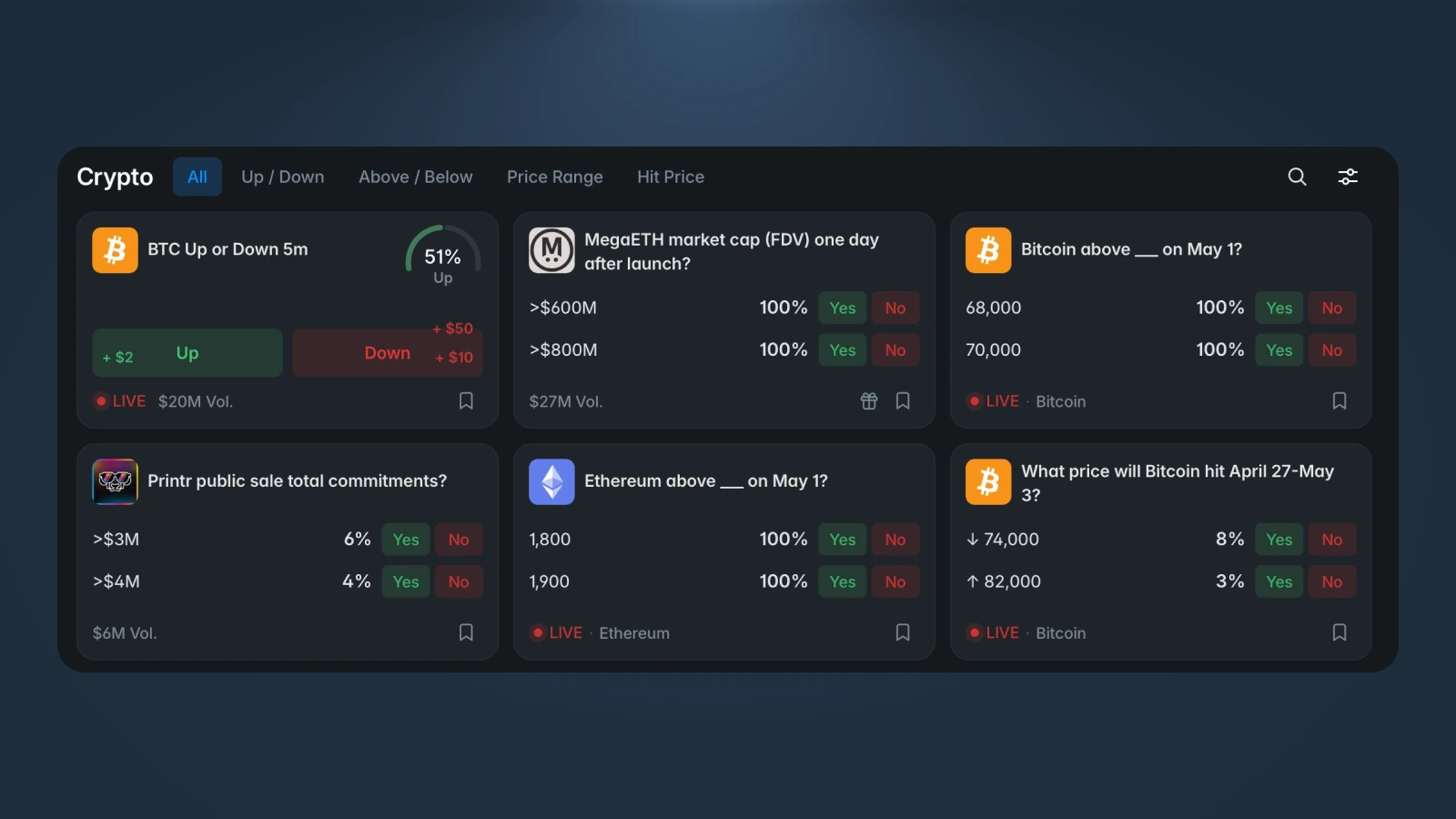
Each market is built around a specific event, with two possible outcomes: yes or no. Users buy positions based on what they think will happen, and the price reflects the current probability assigned by the market. As participants trade, that probability updates in real time.
What separates Polymarket from betting platforms is flexibility. Positions are not locked after entry. A user can enter a market, exit early, or adjust exposure as new information appears. Profit depends not only on the final outcome, but on how the market’s expectations change over time.
This makes the experience closer to trading than betting, even though the underlying idea is still predicting what will happen next.
Polymarket App and Mobile Access
Polymarket is primarily used through its web interface, but mobile access has become a standard part of how users interact with the platform. Markets move continuously, and many of them react to real-time events, which makes it impractical to rely only on desktop access.
There are mobile-friendly ways to monitor positions, track price changes, and react to market shifts, even if the core experience is still centered around the web version. For most users, the important point is not the form factor, but the ability to stay connected to markets that update at any time.
As prediction markets become more active and event-driven, mobile access becomes less of a convenience and more of a requirement for timely decision-making.
What to Check Before Using Polymarket
Before using Polymarket, it helps to approach it as a system with specific rules rather than a generic crypto app.
- Check whether the platform is available in your country and whether any restrictions apply
- Read how individual markets are defined and what conditions determine resolution
- Understand how liquidity affects pricing, especially in smaller markets
- Be clear on how wallet access works and how funds are managed
- Consider how visible your activity is when using a single address
These are not edge cases. They define how the platform works in practice and help avoid common mistakes when entering markets for the first time.
Wallet Choice Matters More Than People Think
On Polymarket, the wallet is not just a tool for access. It becomes the layer through which all activity is visible and organized. Every position, every trade, and every interaction with a market is tied to a public address.
Over time, that address can reflect behavior. It shows what markets a user enters, how early positions are taken, and how often they adjust exposure. For casual users this may not matter, but for anyone active across multiple markets, it becomes part of the overall setup.
This is where wallet choice starts to matter. Instead of treating it as a single account, it makes sense to think in terms of structure. Separating long-term holdings from active market activity reduces how much of that behavior is tied to one place.
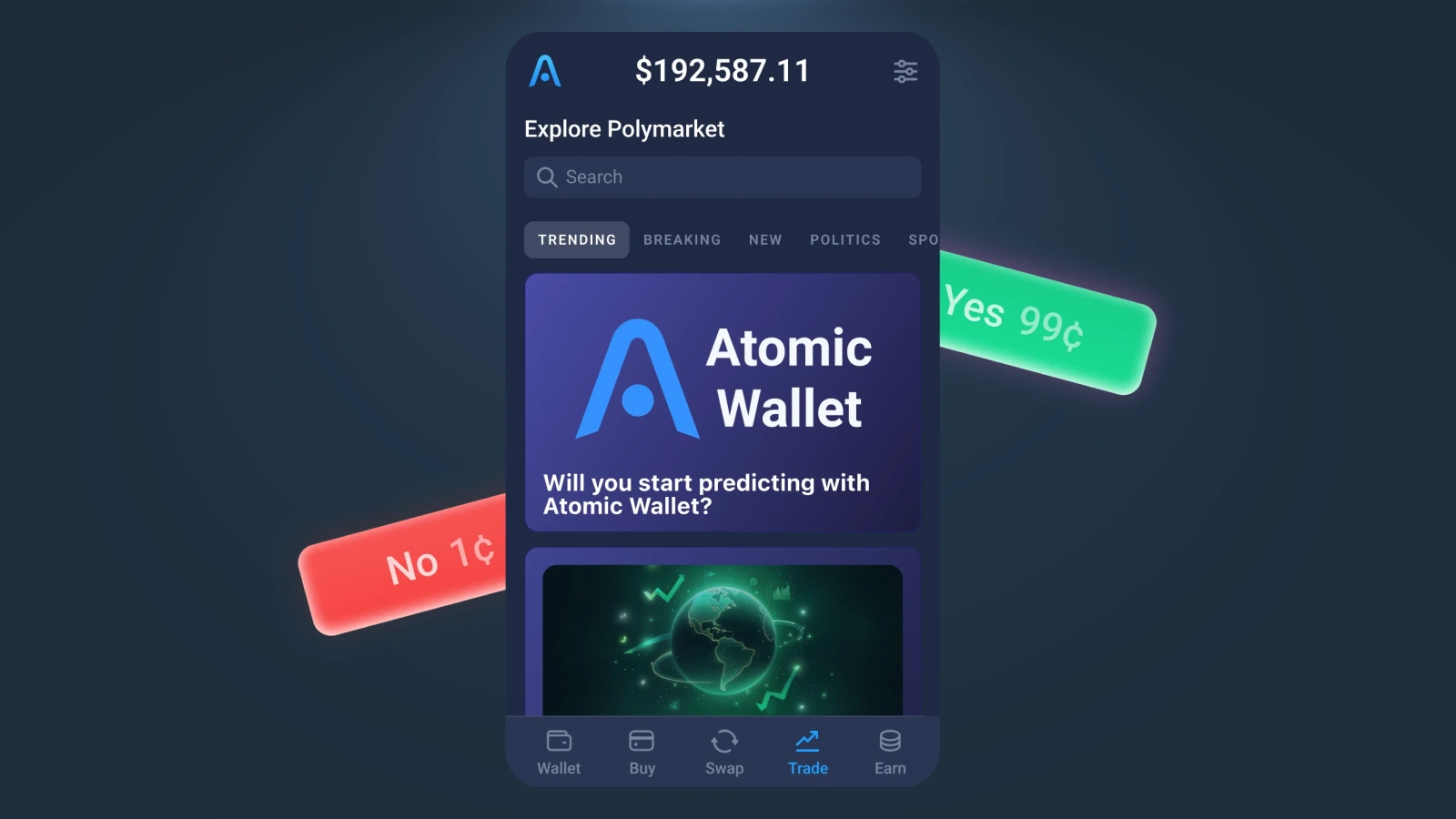
Tools like Atomic Wallet fit into this layer as a way to manage assets and access without merging everything into a single visible flow.
Conclusion: Legal Status Is Only One Part of the Question
Whether Polymarket is legal is the starting point, not the full answer.
In practice, users are dealing with a combination of factors: where the platform is available, how it is regulated in their region, how markets function, and how their own activity is structured. The platform itself is legitimate, but access and conditions vary.
Understanding those layers is what makes the difference. Legality defines whether you can use the platform. Structure and behavior define how you use it.