Open Interest in Crypto: How to Read Perpetual Futures Markets
Price tells you direction. Volume tells you activity. Open interest tells you whether traders are actually building positions behind the move.
That is why open interest matters so much in crypto perps. A price move can look strong on the chart, but if open interest is falling, the move may be driven by positions closing rather than new conviction entering the market. On the other hand, rising open interest means more exposure is being added, which can strengthen a trend — or create the conditions for a violent unwind.
In perpetual futures, open interest is not just a background metric. It shows how much risk is still live in the market.
What Open Interest Actually Shows
Open interest is the amount of open futures positions that have not been closed yet. In crypto, traders usually watch it most closely in perpetual futures markets, where positions can stay open without an expiry date.
The key point is simple: open interest tracks positioning, not activity.
A market can have huge trading volume without open interest rising. That means a lot of contracts changed hands, but no major new exposure was added. When open interest increases, it means new positions are being created. When it decreases, positions are being closed.
For traders, this helps answer a much better question than “is the market active?” It helps answer: is new risk entering the market, or is old risk leaving?
Open Interest vs Trading Volume
Trading volume and open interest are often mentioned together, but they are not interchangeable.
Volume shows how much was traded during a period. Open interest shows how much remains open after that trading happens.
This difference matters because volume can spike during both entry and exit. A liquidation cascade, short covering, or rapid position rotation can all create high volume without necessarily building new market exposure.
Open interest gives the missing context. It shows whether traders are adding fuel to the market or reducing risk.
Why Open Interest Matters More in Perpetual Futures
Open interest is useful in any futures market, but crypto perps make it sharper.
Perpetual futures do not expire. Positions can stay open as long as traders maintain margin, which means exposure can build for days or weeks without a natural reset. When leverage is involved, that buildup becomes important. It tells you where pressure may be forming before the chart shows the full move.
High open interest does not automatically mean the market will go up or down. It means more positions are exposed to the next move. If price starts moving against crowded leverage, liquidations can turn a normal move into a fast one.
That is why traders watch open interest before volatility, not only after it.
What Are Perps in Crypto?
Perps, or perpetual futures, are contracts that let traders take long or short positions on an asset without owning it directly.
They became the main trading product in crypto because they fit the market’s pace. Crypto trades 24/7, narratives change quickly, and traders need instruments that let them react without waiting for expiry dates or settlement cycles.
Perps give traders:
- long and short exposure
- leverage
- no fixed expiration date
- continuous trading
- deep liquidity on major assets
This is also why open interest matters so much here. In spot markets, buying pressure often means actual asset demand. In perps, positioning can build through leverage, and that leverage can unwind quickly. Open interest helps traders see that layer before it becomes visible through price alone.
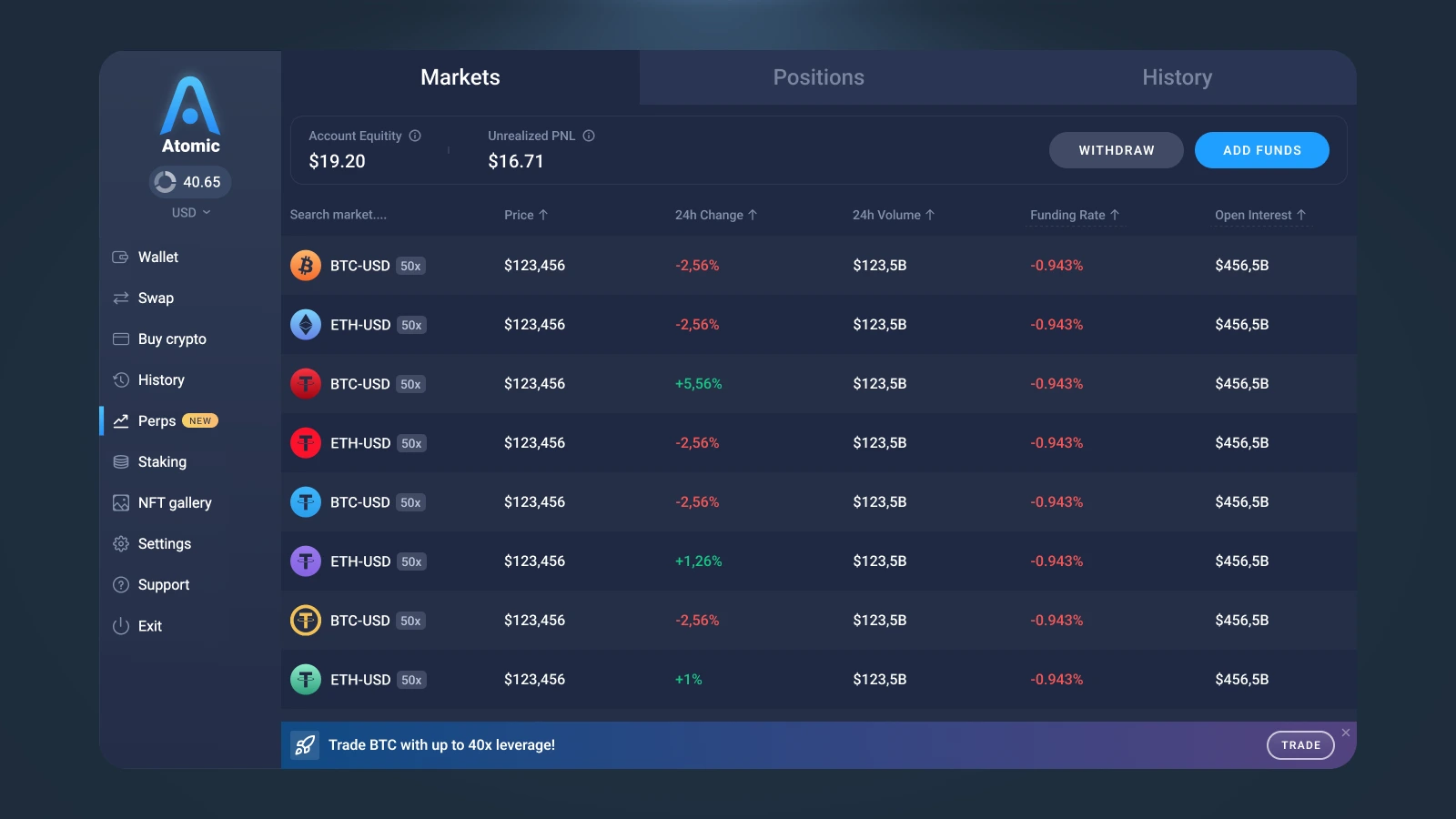
How to Read Open Interest With Price
Open interest becomes useful when you stop looking at it on its own and start pairing it with price.
The simplest way to read it is through combinations:
- Price rising + open interest rising
→ new positions are entering the market, the move is being built on fresh exposure - Price rising + open interest falling
→ positions are being closed, often short covering rather than new buying - Price falling + open interest rising
→ new shorts are entering, downside pressure is building - Price falling + open interest falling
→ positions are closing, the market is unwinding rather than pushing lower
This is where open interest stops being a definition and becomes a tool. It helps separate real positioning from noise.
What Rising or Falling Open Interest Really Means
Looking at open interest as “up or down” is too shallow. The context is what matters.
A rising number means the market is adding exposure. That can strengthen a trend, but it can also make the market more fragile. The more positions are open, the more there is to unwind if price moves the wrong way.
A falling number means exposure is being reduced. That often happens after strong moves, when traders take profit or get forced out. It can signal exhaustion, but it can also mean the market is resetting before the next move.
The key is not to treat open interest as bullish or bearish on its own. It is a measure of pressure building or releasing inside the market.
How Traders Use Open Interest in Futures Trading
Open interest is rarely used alone. Traders combine it with price and volume to understand what kind of move they are looking at.
In practice, it’s used for a few specific reads:
- Trend confirmation
Rising price with rising open interest suggests new positions are supporting the move, not just short-term reactions - Spotting crowded trades
A sharp increase in open interest can indicate too many traders are leaning the same way, which raises the risk of a squeeze - Identifying exhaustion
If price continues moving but open interest starts to fall, the move may be running out of positioning behind it - Watching for liquidation setups
High open interest combined with leverage increases the chance of forced liquidations if the market reverses
These are not signals on their own, but they add context that price alone cannot provide.
Open Interest and Liquidations
Liquidations are where open interest becomes very real.
In leveraged markets, positions are not just closed voluntarily. When margin is no longer sufficient, positions are forced out. That process reduces open interest quickly and often accelerates price movement.
The sequence usually looks like this:
- open interest builds as traders enter positions
- price moves against those positions
- liquidations begin
- open interest drops as positions are wiped out
- price moves faster due to forced selling or buying
This is why high open interest can act like stored energy in the market. It doesn’t predict direction, but it increases the impact of any move once it starts.
For traders, watching open interest before and during volatility helps explain why certain moves expand so quickly instead of staying controlled.
Where to Trade Crypto Perpetual Futures
If you’re tracking open interest, you’re already looking at the part of the market where most trading happens — perpetual futures.
The next step is access. Not every platform offers the same setup. Some focus on depth and execution, others on simplicity and ease of entry. The difference matters depending on how actively you trade and how much control you want over your setup.
Hyperliquid is one example of a trading-focused environment built around perps. It prioritizes order books, speed, and on-chain execution. For many traders, though, the question is less about infrastructure and more about access — how to actually start trading perps without dealing with unnecessary complexity.
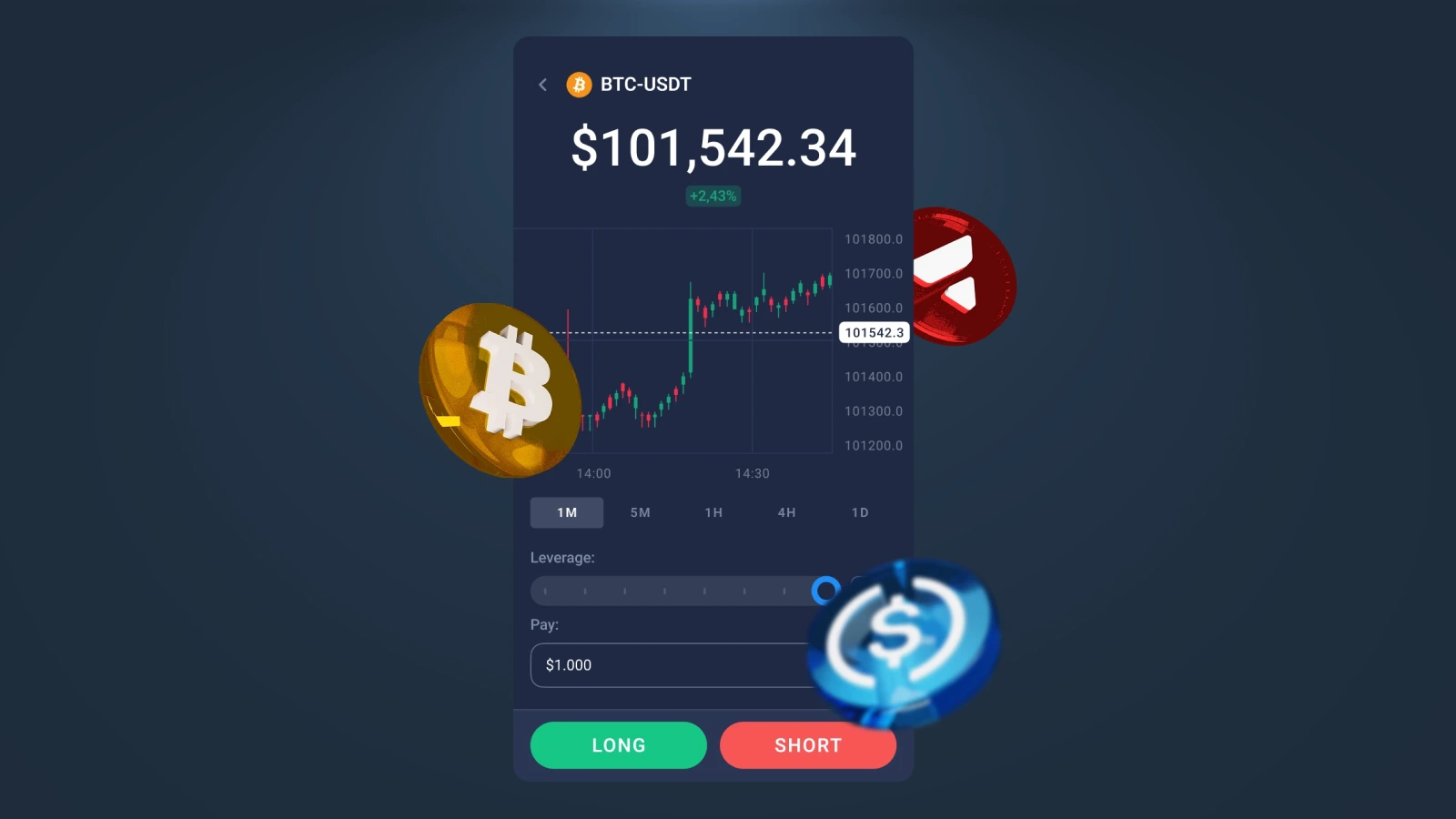
That’s where simpler entry points come in. Atomic Wallet’s Perps trading offers a more direct way to access perpetual futures markets, especially for users who want exposure to leverage trading without rebuilding their entire workflow around a new system.
Conclusion: Open Interest as a Market Signal
Open interest is not a prediction tool. It does not tell you where price will go next.
What it does is show how much exposure is still in play. It tells you whether a move is being supported by new positions or driven by existing ones closing out. In leveraged markets, that distinction is critical.
Used on its own, it’s limited. Combined with price and volume, it becomes one of the clearest ways to read positioning in crypto futures.
For traders working in perps, open interest is less about theory and more about context. It helps explain why the market is moving the way it is, and how much pressure may still be building beneath the surface.