What Is Concordium? The Compliance-First Blockchain Behind CCD

Concordium is often mentioned alongside privacy-focused blockchains, but that comparison misses the point. Instead of offering full anonymity, Concordium was designed around regulated privacy, where identity and compliance are built directly into the protocol. This identity-first approach positions Concordium as a blockchain for real-world use cases, institutions, and regulated environments—while still preserving user privacy through cryptography. At the center of the ecosystem is CCD, the native token that powers transactions, staking, and network security.
What Is Concordium?
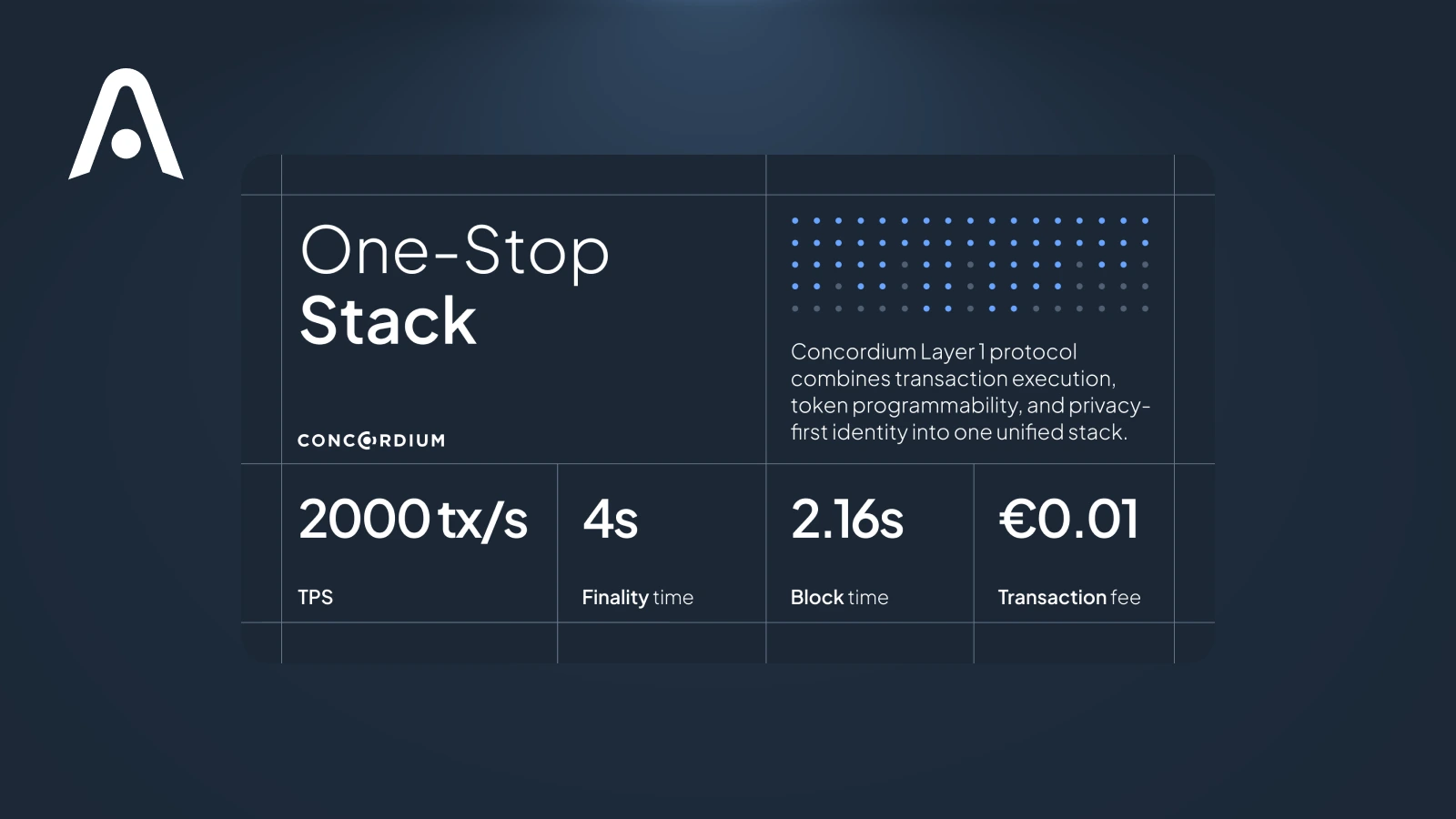
Concordium is a Layer 1 blockchain built specifically for environments where privacy and regulation must coexist. Rather than treating identity as an external add-on, Concordium integrates it directly at the protocol level.
Key characteristics of Concordium include:
- A Layer 1 blockchain with identity built into the base layer
- A focus on privacy with accountability, not full anonymity
- Onchain identity verification separated from transaction data
- A design aimed at enterprises, institutions, and regulated use cases
This architecture allows Concordium to support privacy-preserving applications while remaining compatible with regulatory and compliance requirements—an approach that sets it apart from most other blockchain networks.
Why Concordium Is Not a Privacy Coin
While Concordium uses advanced cryptography to protect user data, its approach to privacy is fundamentally differen from traditional privacy coins. The distinction lies in how identity, accountability, and regulatory compliance are treated at the protocol level.
How Concordium Handles Privacy and Identity
Privacy on Concordium is implemented through an identity layer that operates alongside the blockchain rather than on top of it. Every account is associated with a verified identity, but that identity is not exposed onchain during normal transactions. Identity providers handle verification, while the blockchain only processes cryptographic proofs.
Zero-knowledge techniques are used to separate identity from transaction execution. This means users can interact privately, while the system still allows compliance when required. By designing privacy and identity as core protocol features, Concordium avoids retrofitting compliance later and instead treats regulation as a first-class design constraint from the start.
What Is CCD and What Is It Used For?
CCD is the native token of the Concordium network. It is not positioned as a privacy token or speculative asset, but as a utility token that supports the economic and security model of the blockchain.
CCD is used for several core functions:
- Paying transaction fees on the Concordium network
- Securing the blockchain through staking participation
- Enabling governance and protocol-level decision-making
- Aligning incentives between network participants and validators
The value of CCD is therefore tied to network usage and participation rather than anonymity features or narrative-driven demand.
Concordium Staking Explained
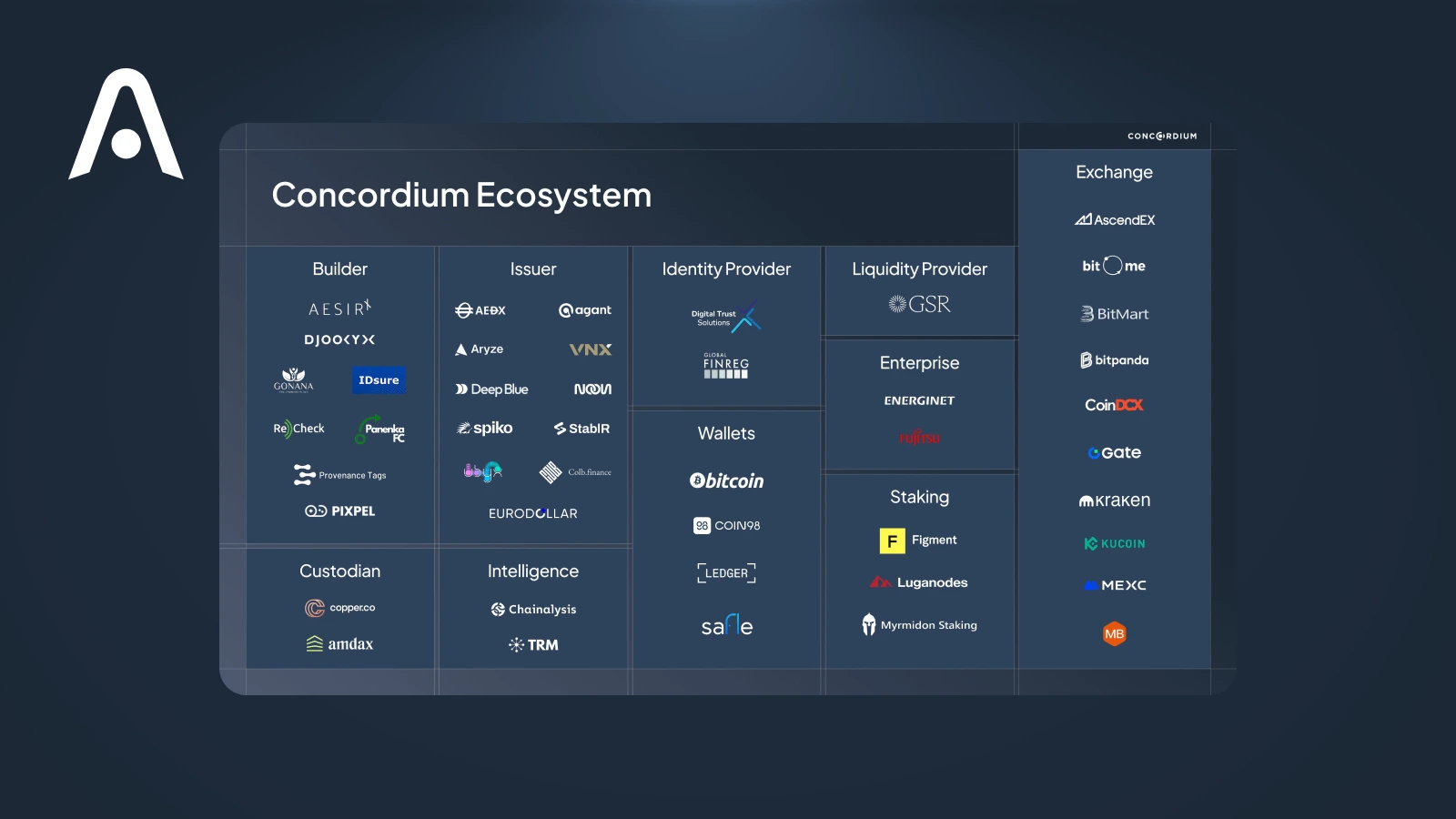
Staking plays a central role in how Concordium secures its network and distributes incentives. The blockchain uses a proof-of-stake model where participants can either run infrastructure or delegate their stake to active validators.
Key aspects of concordium staking include:
- Bakers who operate nodes and produce blocks
- Delegators who stake CCD without running infrastructure
- Rewards distributed as an incentive for securing the network
- Non-custodial participation, where users retain control of their funds
This structure allows users to contribute to network security while earning protocol-level rewards, without relying on centralized intermediaries.
How to Buy Concordium (CCD)
Buying CCD follows a standard flow used for most Layer 1 tokens, with an emphasis on moving funds into self-custody after purchase. The exact platforms may vary by region, but the process itself is straightforward.
Steps to buy Concordium (CCD):
- Find an exchange where CCD is listed and supported
- Purchase CCD using supported trading pairs
- Withdraw CCD from the exchange to a compatible wallet
- Decide whether to hold CCD or prepare it for staking
Once CCD is in a non-custodial wallet, users have full control over their tokens and can participate in network features such as staking without relying on centralized platforms.
Why Concordium Is Gaining Attention Now
Interest in Concordium has increased alongside renewed discussions around privacy in crypto—but for a different reason than most privacy-focused projects. As regulatory pressure grows, fully anonymous blockchains face increasing friction, while demand rises for alternatives that balance privacy with accountability.
Concordium fits into this gap. Its compliance-first design, identity layer, and selective disclosure model position it as an alternative path for projects and institutions that need privacy without breaking regulatory constraints. Rather than riding the privacy coin narrative directly, Concordium is gaining attention by offering a model that aligns with real-world legal and institutional requirements.
Concordium vs Privacy Coins
Concordium is often compared to privacy coins, but the differences are structural rather than cosmetic. While both approaches use cryptography, their goals and trade-offs are not the same.
Key differences include:
- Privacy coins focus on full anonymity, while Concordium emphasizes accountability
- Concordium supports selective disclosure instead of permanent obfuscation
- Compliance readiness is built into Concordium’s architecture, not added later
- Privacy coins target censorship resistance, while Concordium targets regulated use cases
This makes Concordium less attractive to users seeking absolute anonymity, but more suitable for enterprises, institutions, and applications that must operate within legal frameworks.

What to Know Before Using CCD
CCD is best understood as a utility token tied to a compliance-oriented blockchain rather than a narrative-driven privacy asset. Its role is to support transactions, staking, and governance within the Concordium network.
Before using CCD, it is important to understand that adoption depends on real-world use cases, regulatory alignment, and institutional interest. Like any blockchain token, CCD carries market risk and volatility, but its long-term relevance is closely linked to whether compliance-first blockchain infrastructure gains broader traction beyond experimental crypto environments.
Managing CCD Securely and Participating in Staking
Using CCD effectively starts with proper self-custody. Holding CCD in a non-custodial wallet allows users to maintain full control over their assets while deciding whether to simply store tokens or participate in concordium staking directly from their own wallet.
Atomic Wallet supports secure self-custody for CCD, enabling users to store tokens, manage balances, and prepare assets for staking participation without relying on centralized platforms. This approach keeps control in the hands of users while supporting long-term interaction with the Concordium ecosystem.