What Is Dogecoin (DOGE)? Beginner’s Guide

Dogecoin (DOGE) is a decentralized, open-source cryptocurrency that operates on a peer-to-peer (P2P) network. While it originally started as a satirical commentary on the speculative nature of the crypto market, it has since evolved into one of the world's most recognized and widely utilized digital currencies.
Unlike tokens that run on top of other blockchains (such as ERC-20 tokens on Ethereum), Dogecoin is a native asset running on its own dedicated blockchain. It allows users to send money online efficiently and securely without relying on traditional intermediaries like banks or payment processors.
Built using the Scrypt algorithm, Dogecoin is a Proof-of-Work (PoW) cryptocurrency, sharing a similar technological ancestry with Bitcoin and Litecoin. However, it was deliberately designed to be more abundant and accessible. While Bitcoin acts as "digital gold" with a scarce supply, Dogecoin is designed to be "digital cash"—optimized for high speed, low transaction fees, and everyday spending.
Driven by a massive, enthusiastic community often referred to as the "Doge Army," the project adheres to the philosophy of doing good every day. This unique culture, combined with robust security via merge-mining, has cemented Dogecoin’s status as a top-tier c›ryptocurrency by market capitalization.
Key Technical Specifications
To understand Dogecoin’s fundamentals, it is essential to look at its core parameters:
- Consensus Mechanism: Proof-of-Work (PoW) using the Scrypt algorithm.
- Block Time: ~1 minute (significantly faster than Bitcoin’s 10 minutes).
- Block Reward: 10,000 DOGE per block (fixed issuance).
- Supply: No hard cap (uncapped supply with predictable, decreasing inflation rate).
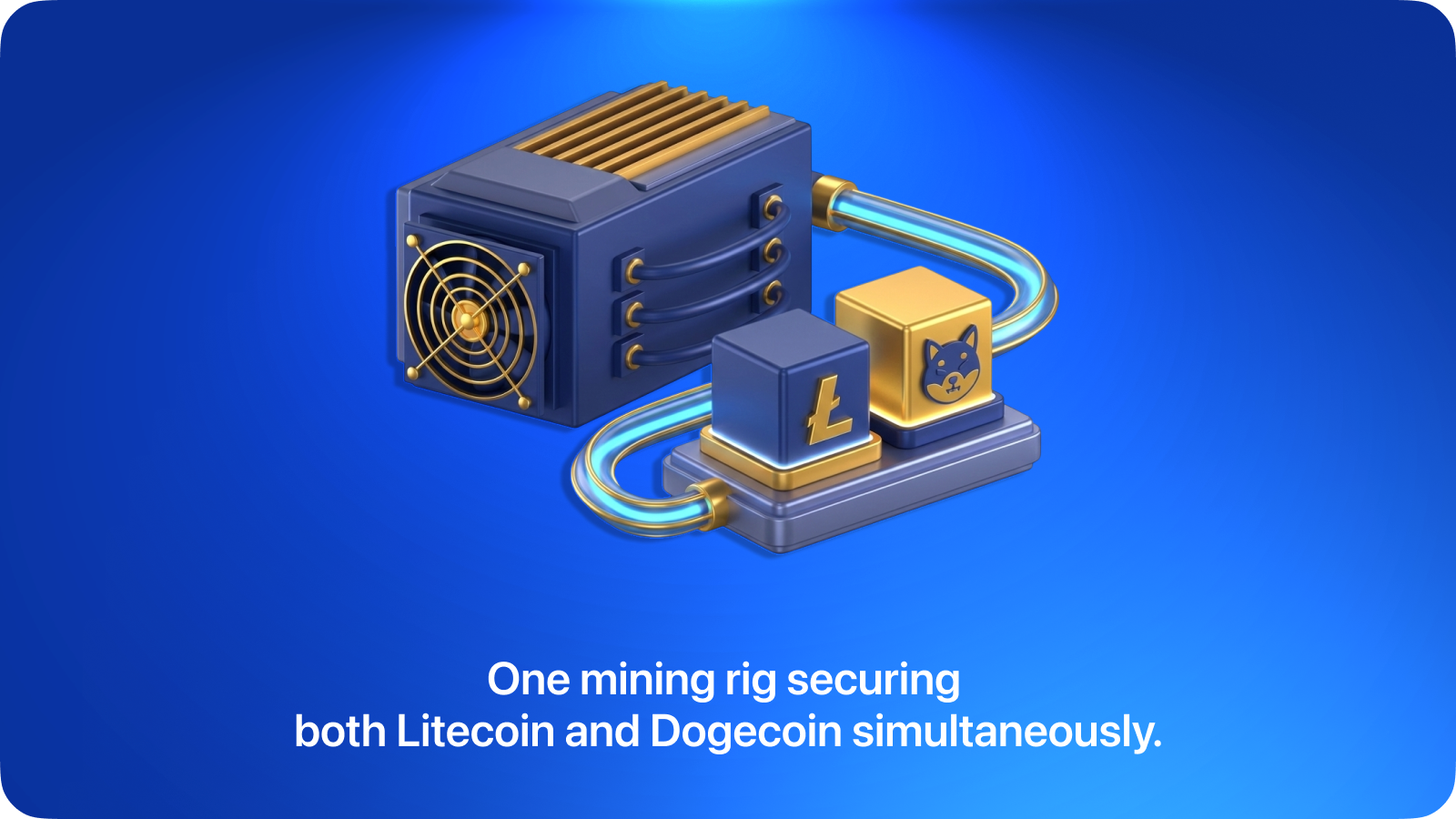
- Security Model: Merge-mined with Litecoin (AuxPoW) since 2014, providing industrial-grade network security.
DYOR: In the self-custodial world, you bear full responsibility for your assets, so always verify official URLs and transaction details yourself to avoid irreversible mistakes.
What Dogecoin Is Used For
While many cryptocurrencies are bought solely for speculation, Dogecoin has established itself as a highly functional currency with real-world utility. Because of its 1-minute block time and negligible fees, it is far more practical for moving value than slower, more expensive chains like Bitcoin or Ethereum.
Dogecoin’s utility is primarily driven by three main pillars: social tipping, merchant payments, and efficient peer-to-peer transfers.
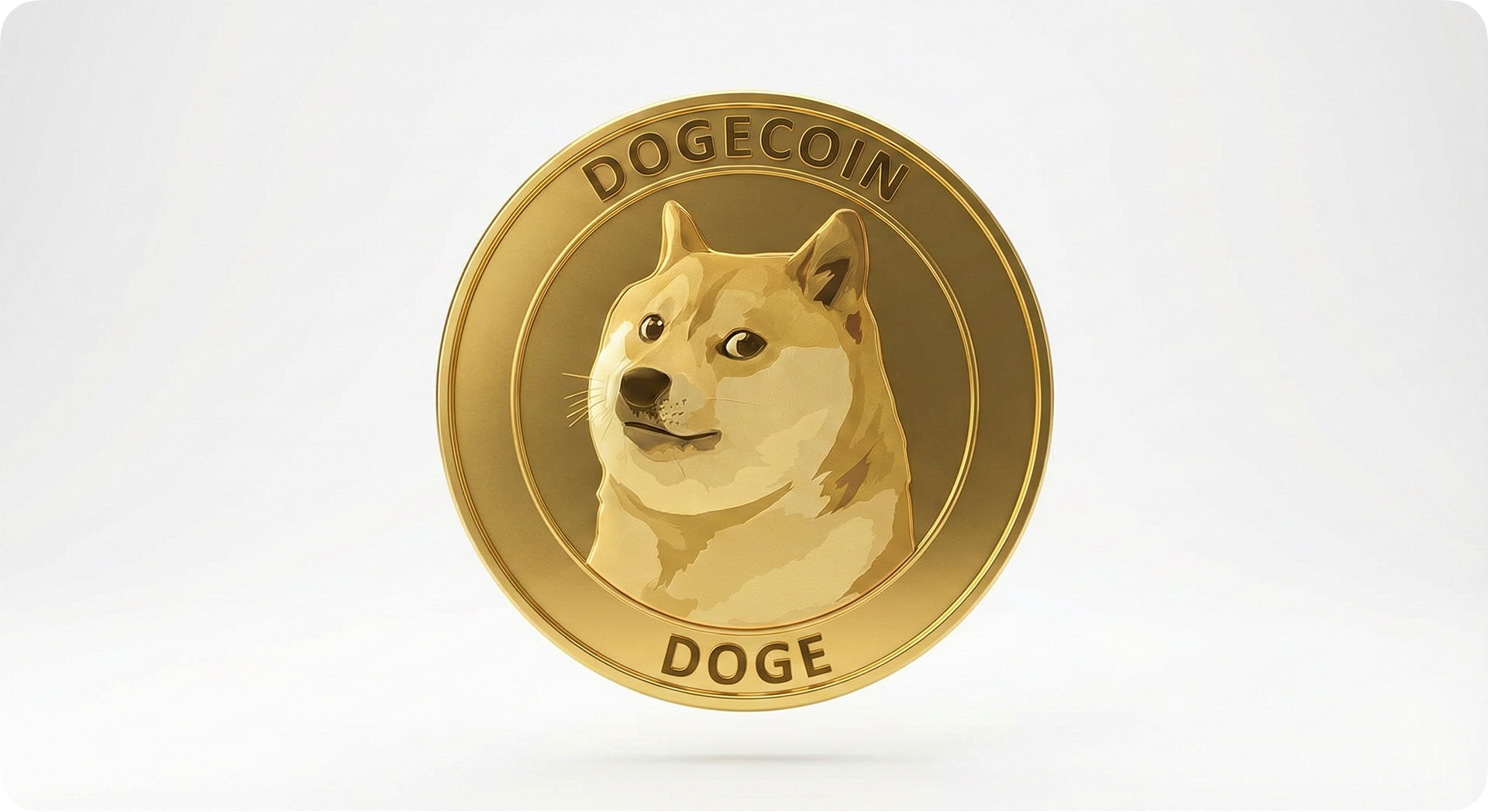
Internet Tipping & Community Rewards
Dogecoin’s most famous use case is "tipping." Since its inception, the community has developed a culture of rewarding content creators, developers, and helpful users with small amounts of DOGE.
This creates a micro-economy on social media platforms like Reddit and X (formerly Twitter). Instead of just "liking" a post, a user can send a few Dogecoins directly to the author’s wallet.
- Micro-transactions: Because transaction fees are often less than $0.01, sending $0.50 or $1.00 is economically viable. On Bitcoin or Ethereum, gas fees would make such small transfers impossible.
- Social Integration: Various bots and third-party extensions have historically allowed users to tip without leaving the social media platform, bridging the gap between social interaction and financial value.
Payments & Merchant Adoption
Dogecoin is one of the most widely accepted cryptocurrencies for payments. Large companies and small business owners alike have adopted DOGE because it offers a cheaper alternative to traditional credit card processing.
When a merchant accepts a credit card, they often pay fees ranging from 2% to 3%. With Dogecoin, the cost is virtually zero, and the settlement is final within minutes (no chargebacks).
Notable examples of adoption include:
- Tesla: The electric vehicle manufacturer accepts Dogecoin for merchandise in its online store.
- AMC Theatres: The world's largest cinema chain allows customers to buy tickets and concessions using DOGE.
- Newegg: A major electronics retailer that accepts DOGE for PC parts and consumer tech.
- Charitable Giving: The community has a long history of fundraising, from sponsoring NASCAR drivers to digging wells in Kenya (the "Doge4Water" campaign).
Cross-Border Remittances
For users sending money internationally, Dogecoin acts as a highly efficient rail for remittances. Traditional bank transfers (SWIFT) can take 3-5 business days and cost significantly in exchange rate markups and wire fees. Services like Western Union also charge high percentages for cash transfers.
Dogecoin allows a user to send value from one side of the world to the other in roughly one minute, 24/7, without any banking intermediary.
Comparison: Dogecoin vs. Traditional Payments
To understand why a user might choose Dogecoin over a bank card or Bitcoin for daily spending, compare the metrics below:
Dogecoin Tokenomics (Supply & Inflation)
One of the most misunderstood aspects of Dogecoin is its supply model. Unlike Bitcoin, which has a "hard cap" of 21 million coins, Dogecoin has no maximum supply limit. This feature was intentional, designed to keep the coin accessible and encourage spending rather than hoarding.
To understand why this model works for a currency, we need to look at the specific mechanics of its issuance.
The "No Hard Cap" Design
Dogecoin creates new coins at a fixed, predictable rate.
- Fixed Block Reward: Miners receive 10,000 DOGE for every block mined.
- Annual Issuance: With blocks mined every minute, approximately 5.2 billion DOGE are added to the circulating supply each year.
This fixed issuance acts as a mechanism to reward miners indefinitely for securing the network. In contrast, Bitcoin’s mining rewards halve every four years, which will eventually force miners to rely solely on transaction fees. Dogecoin’s model ensures that transaction fees can remain low permanently because miners are always compensated by the block reward.
Inflation vs. Disinflation
Critics often label Dogecoin as "inflationary," implying its value will inevitably drop to zero. However, economically speaking, Dogecoin is disinflationary.
Here is the distinction:
- Fixed Amount, Not Percentage: The amount of new DOGE (5 billion) is static. It does not grow.
- Decreasing Inflation Rate: As the total supply of Dogecoin grows larger every year, the percentage that the new 5 billion represents becomes smaller and smaller.
Example:
- If the supply is 100 billion, adding 5 billion is 5% inflation.
- When the supply reaches 200 billion, adding 5 billion is only 2.5% inflation.
- Over decades, this rate tends toward 0%, making the supply relatively stable while still replacing lost coins (e.g., lost passwords or hard drives).
Currency vs. Store of Value
This tokenomic structure defines Dogecoin’s role in the crypto ecosystem:
- Bitcoin (Deflationary): Incentivizes holding (HODLing) because the asset becomes scarcer. It acts like digital gold.
- Dogecoin (Inflationary): Incentivizes spending. Because the supply gently expands, users are less pressured to hoard it forever, making it functionally superior as actual digital cash for circulation.
Dogecoin History: From Meme to Mainstream
Dogecoin’s history is unique in the cryptocurrency world. While Bitcoin was created to revolutionize finance and Ethereum to build a decentralized computer, Dogecoin was created as a satire. Its journey from a "joke" to a multi-billion dollar asset is a testament to the power of community and internet culture.
Here is the timeline of Dogecoin’s evolution:
2013: The Origins
- In late 2013, Jackson Palmer, a product manager at Adobe, tweeted jokingly about investing in "Dogecoin," combining the popular "Doge" Shiba Inu meme with the cryptocurrency craze.
- Billy Markus, a software engineer at IBM, saw the tweet and reached out. Markus built the code based on Luckycoin (a fork of Litecoin) in just a few hours.
- On December 6, 2013, the Dogecoin network went live. Within the first 30 days, the official website received over a million visits, creating an instant community on Reddit.
2014: The Community & Security Upgrade
- The community quickly established its "Do Only Good Everyday" ethos. They raised $30,000 in DOGE to send the Jamaican bobsled team to the Winter Olympics and another $30,000 to dig clean water wells in Kenya (Doge4Water).
- The community crowdfunded $55,000 to sponsor driver Josh Wise. The "Dogecar" raced at Talladega, bringing massive mainstream exposure.
- Critical to its survival, Dogecoin switched to Auxiliary Proof-of-Work (AuxPoW) in late 2014. This allowed Litecoin miners to secure the Dogecoin network, saving it from potential 51% attacks due to its initially low hashrate.

42015–2020: The "Quiet" Years
- Both founders, Jackson Palmer and Billy Markus, stepped away from the project, leaving development to community volunteers.
- After years of trading sideways, a viral trend on TikTok urged users to buy DOGE to push the price to $1. This demonstrated the dormant viral potential of the coin.
2021: The Elon Musk Era & All-Time Highs
- Elon Musk began tweeting frequently about Dogecoin, calling it "the people's crypto." His endorsement catalyzed a massive retail frenzy.
- In May 2021, fueled by Musk’s appearance on Saturday Night Live (SNL), Dogecoin reached an All-Time High (ATH) of approximately $0.73, briefly becoming the 4th largest cryptocurrency in the world by market capitalization.
- The Dallas Mavericks (NBA team owned by Mark Cuban) began accepting DOGE for tickets and merchandise.
Present Day: Establishment
Today, Dogecoin is no longer considered just a "meme coin." It has a re-established Dogecoin Foundation working on development, including the "GigaWallet" project (backend API for merchants) and RadioDoge (offline transactions via Starlink). It stands as a top-tier digital currency with one of the highest brand recognitions globally.
Is Dogecoin Safe? (Risks & Security)
When discussing safety, we must distinguish between the network security and user security.
Technically, the Dogecoin blockchain is highly secure. Thanks to the merge-mining with Litecoin (AuxPoW) discussed earlier, it possesses an immense amount of hash rate power, making a 51% attack (where hackers take control of the network) practically impossible.
However, for the individual investor, the dangers are not in the code, but in how the asset is handled. Because Dogecoin is decentralized, you are your own bank. This freedom comes with specific responsibilities and risks.
The "Red Flags" of Crypto Ownership
Before buying DOGE, be aware of the most common pitfalls that cause users to lose funds.
Wallet vs. Exchange
The most critical safety decision is storage.
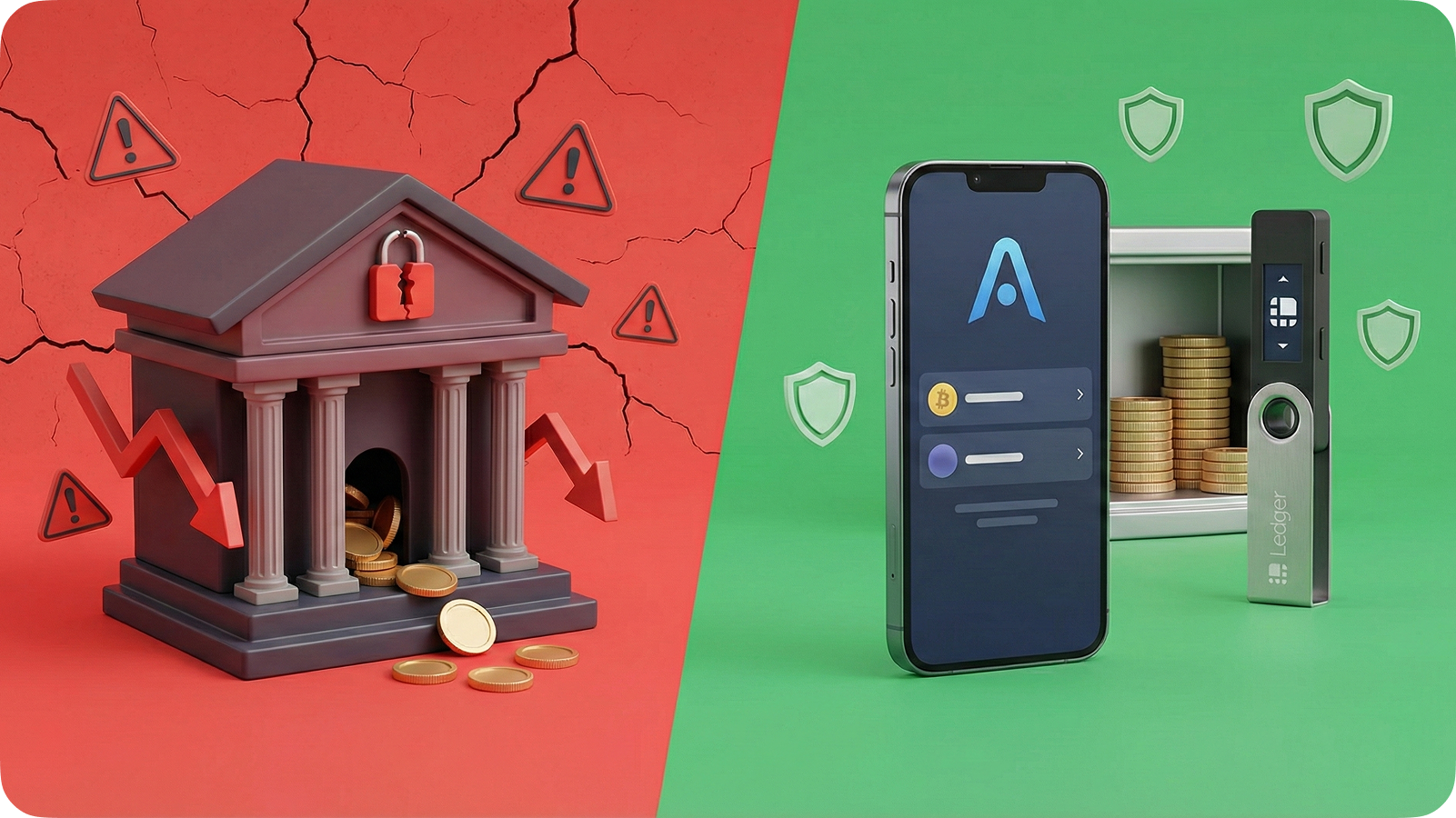
- Exchanges (Custodial): Convenient for trading, but vulnerable. You rely on a third party to protect your money.
- Private Wallets (Non-Custodial): The recommended standard for safety. You hold the private keys (your seed phrase), meaning only you have access to your funds.
How to Buy & Store DOGE
Buying Dogecoin is now as straightforward as purchasing any other major digital asset. It is listed on virtually every centralized exchange (CEX) and is supported by most fiat on-ramp services.
The process generally involves three steps:
- Choose a Platform: Sign up for a reputable exchange (like Binance, Coinbase, or Kraken) or buy directly through a wallet interface.
- Purchase: Use a credit card, bank transfer, or swap another cryptocurrency (like BTC or USDT) for DOGE.
- Secure: Immediately withdraw your coins from the exchange to a self-custody wallet to ensure full ownership.
For a comprehensive walkthrough on payment methods, fees, and detailed steps, read our dedicated guide.